
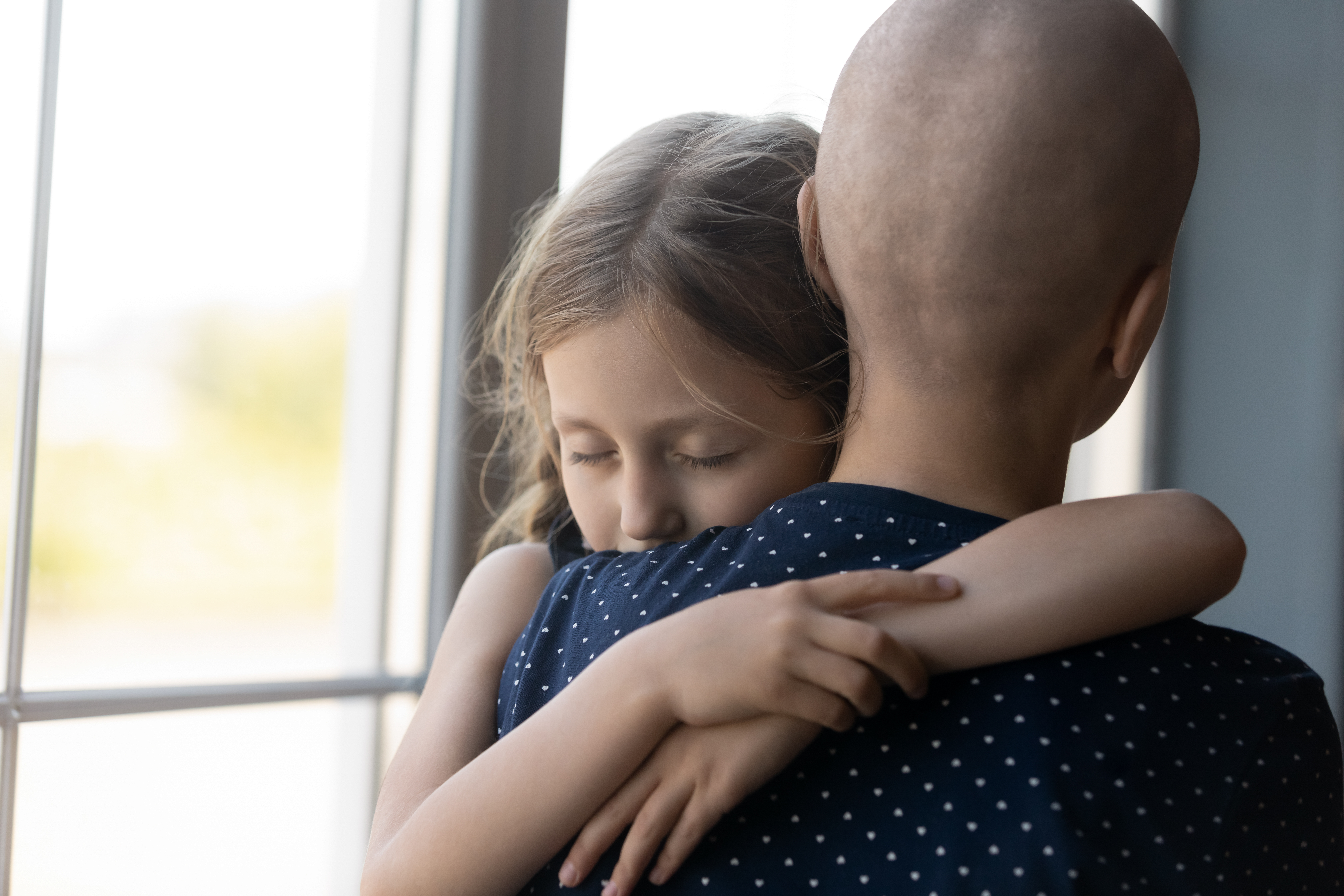
As treatments improve, more people are living well with cancer for many years. For some, cancer is no longer a short, intense episode followed by a clear “end” to therapy. Instead, it becomes a long‑term condition that needs ongoing care—what many now describe as chronic cancer.
Many individuals balancing work, family, and advocacy are on multiple lines of chemotherapy or targeted therapy for recurrent or metastatic disease. Some were originally told they had only months to live, yet have surpassed those timelines and continue to focus on living fully. Their cancers are not considered curable, but they are treatable, and they choose to frame their illness as something they live with—not something they are simply dying from.
What does “chronic cancer” mean?
Some cancers can be cured: people undergo treatment, complete it, and move into survivorship with no ongoing therapy. Other cancers are not curable but are highly treatable. Historically, these were often labeled “terminal,” but advances in treatment have changed that picture.
For many, these cancers now behave more like chronic illnesses. There is treatment, there may be remissions, and people can live a long time. Instead of seeing the diagnosis as an endpoint, they view it as a condition that requires active management over time.
It can be helpful to distinguish between:
-
Chronic cancer in remission – such as some leukemias or lymphomas, where people may have long periods with no active treatment while the disease remains quiet.
-
Metastatic cancer – active disease that has spread from its original site, where ongoing treatment is needed to keep the cancer under control.
In metastatic disease, therapy is usually continuous or repeated, because that is how the cancer remains managed.
“Chronic” means ongoing
Calling cancer “chronic” can feel more hopeful than “terminal,” but it still reflects an enduring challenge. Chronic means all the time: you expect to live with this disease for the rest of your life.
For many, treatment becomes a constant part of life. They move from one regimen to another as long as each continues to work, and shift therapies when the cancer progresses. Even during breaks from chemotherapy or other treatments, long‑term side effects may persist.
This cycle can feel relentless. Yet many people keep going because they know that each course of treatment is helping them live longer, and they are determined to make the most of whatever time they have.
Everyday life with chronic cancer
In many ways, daily life with chronic cancer looks like anyone else’s: laundry piles up, children need care, bills must be paid, and cars still break down. At the same time, life is fundamentally different. People living with chronic cancer are often acutely aware that their time may be limited, which can sharpen their focus on what matters most.
Support groups and clinical experience show that many in this situation concentrate on the present—on “living between treatments” and trying to live as well as they can, for as long as they can. Chemotherapy, targeted therapies, and other treatments are often seen as tools to buy time: weeks or months of treatment in exchange for more months of relative freedom and meaningful moments with loved ones.
Some find it helpful to think of intense treatment periods as a phase—something they must get through, but not the whole of their lives. Cancer becomes one part of their story, not the defining feature.
Coping with the “new normal”
Chronic cancer creates a new normal. Life does not stop; it changes. Coping with the reality that the cancer may never be cured—and that life may be shorter than hoped—requires emotional and practical adjustment.
Helpful approaches include:
-
Focusing on the present – Many find they cope better when they concentrate on today rather than worrying constantly about what might happen months or years ahead. Persistent worry can steal the enjoyment of time that is actually still available.
-
Prioritizing relationships over tasks – Everyday chores matter, but they may not be the most important way to spend limited energy. Reading to grandchildren, talking with children, or simply sharing quiet time with loved ones often brings more meaning than keeping up with every household task.
-
Allowing responsibilities to shift – It can help to give oneself permission to let go of some duties and accept help from others. This frees energy for what truly matters.
When people imagine having only a short time to live, they often picture traveling the world or checking off big “bucket list” items. In reality, fatigue, pain, and treatment demands can make such plans difficult. Many ultimately discover that what they most want is time with family and close friends.
Setting goals is also important. Some people choose milestones—seeing children graduate, welcoming a grandchild, celebrating an anniversary—and then set new goals as each one is reached. These “baby steps” create a sense of purpose and progression.
The importance of connection
Support and connection play a central role in living with chronic cancer:
-
Some people build community online through social media and patient forums, especially if they live in areas where few others share their diagnosis.
-
Others connect through advocacy organizations, local support groups, or volunteer work, finding meaning in helping others with similar illnesses.
These ties matter. On some days, a person might offer encouragement to someone else who is struggling; on other days, they may be the one receiving support. Both giving and receiving are valuable parts of coping.
Staying connected—to family, friends, and peers who understand chronic cancer—helps reduce isolation and provides emotional strength for the long journey.
Guidance for loved ones and caregivers
Friends and family are part of the chronic cancer experience, and their support can make a significant difference. Helpful principles include:
-
Avoid pity. Most people with cancer do not want to be pitied or seen only through the lens of illness. They value being treated as whole people who still have roles, preferences, and strengths.
-
Maintain normalcy and inclusion. Involving the person with cancer in decisions and everyday life, as much as they wish, helps preserve identity and dignity.
-
Offer concrete help. Practical tasks such as cooking, laundry, childcare, and shopping can require enormous effort during treatment. Offering specific help—rather than waiting to be asked—can ease the burden.
-
Discuss wishes. When the time feels right, it is important to talk about preferences, such as where the person would like to be cared for at the end of life and what arrangements they would want.
-
Seek support for the family. Cancer affects everyone in a household. Counseling, support groups, and social work services can help relatives cope with emotional strain and changing roles.
-
Respect the person’s agenda. The individual living with chronic cancer should have the lead in deciding how to spend their time. Loved ones may have ideas about travel or big experiences, but the person might prefer quiet time at home.
Chronic pain, fatigue, and other symptoms can be debilitating. Patience, flexibility, and compassion go a long way in supporting someone through the fluctuations of chronic illness.
Key coping strategies for chronic cancer
People living with chronic cancer often find these principles helpful:
-
Try to limit worry; it rarely changes the future and can diminish the present.
-
Focus on today and on what can be enjoyed or accomplished now.
-
Set realistic goals and keep creating new ones as each is reached.
-
Prioritize relationships and meaningful moments over routine tasks.
-
Stay connected to a social network—online or in person—that understands chronic cancer.
-
Seek support from professionals, peers, and loved ones.
Coping with chronic cancer is an ongoing process. There will be harder days and easier days. Choosing to live as fully as possible within this new reality—while maintaining hope and connection—can help make the time more meaningful, whatever its length.


