
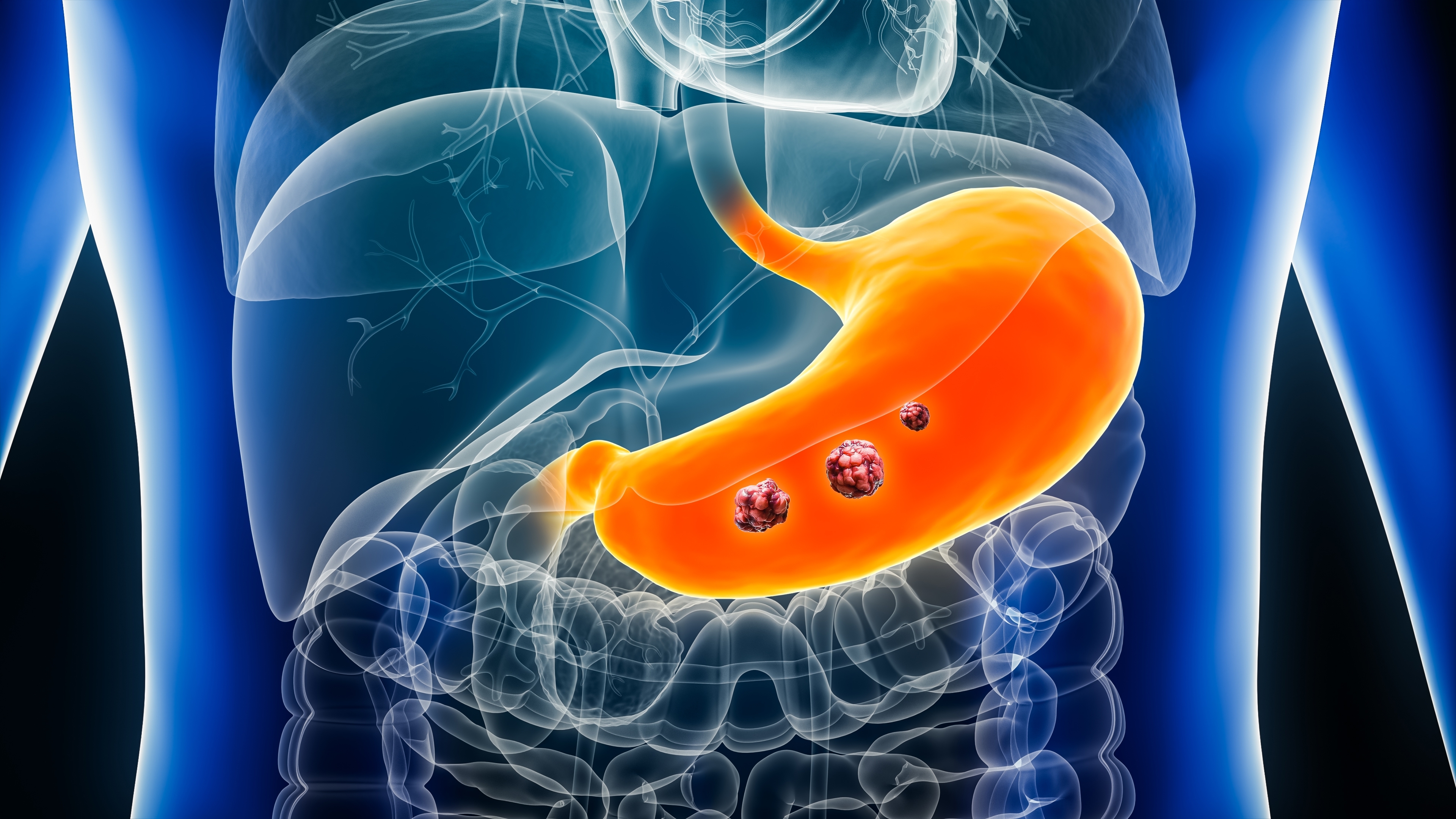
The FDA has approved new first-line treatment options that include zanidatamab-hrii
(Ziihera) for certain adults with HER2-positive advanced stomach, gastroesophageal
junction (GEJ), or esophageal adenocarcinoma. The approvals may offer a new option
for people whose cancer cannot be removed with surgery or has spread to other parts
of the body.fda
What was approved
On August 25, 2026, the FDA approved two zanidatamab-based treatment approaches
for adults with previously untreated, unresectable locally advanced or metastatic HER2-
positive adenocarcinoma of the:
Stomach (gastric cancer)
Gastroesophageal junction, where the stomach meets the esophagus
Esophagus
The first approval is for a four-drug combination:
Zanidatamab-hrii (Ziihera)
Tislelizumab-jsgr (Tevimbra), an immunotherapy
Fluoropyrimidine-based chemotherapy
Platinum-based chemotherapy
This combination is approved for tumors that test HER2-positive as either IHC 3+ or IHC
2+/ISH+, using an FDA-approved test.
The FDA also approved zanidatamab plus fluoropyrimidine- and platinum-containing
chemotherapy—without tislelizumab—for patients whose tumors are HER2 IHC 3+, the
highest HER2-expression category included in the approval.
Why this matters
HER2 is a protein that can help cancer cells grow. Testing a tumor for HER2 can help
the cancer care team determine whether a HER2-targeted treatment may be
appropriate.
The approval was based on the phase 3 HERIZON-GEA-01 clinical trial, which enrolled
people with HER2-positive advanced gastric, GEJ, or esophageal adenocarcinoma. In
the study, the four-drug regimen containing zanidatamab, tislelizumab, and
chemotherapy was compared with trastuzumab plus chemotherapy, a previously used
first-line approach.
People who received the zanidatamab/tislelizumab/chemotherapy combination lived a
median of 26.4 months, compared with 19.2 months for people treated with
trastuzumab plus chemotherapy. The combination also delayed cancer growth or
spread: median progression-free survival was 12.4 months, compared with 8.1 months
with trastuzumab plus chemotherapy.
For people with HER2 IHC 3+ tumors, zanidatamab plus chemotherapy also improved
the time before the cancer grew or spread. Median progression-free survival was 14.2
months with zanidatamab plus chemotherapy, compared with 7.6 months with
trastuzumab plus chemotherapy. Overall-survival results for that two-treatment
approach were not statistically significant at the time of the analysis.
Understanding the treatments
Zanidatamab is a HER2-targeted antibody treatment designed to attach to HER2 on
cancer cells. It is given intravenously, meaning through a vein.
Tislelizumab is an immunotherapy known as a PD-1 inhibitor. It works by helping the
immune system recognize and attack cancer cells. It is also given intravenously.
The chemotherapy portion of treatment includes a fluoropyrimidine and a platinum drug.
The specific regimen may include capecitabine plus oxaliplatin, often called CAPOX, or
fluorouracil plus a platinum-based chemotherapy regimen.
The treatment schedule depends on body weight and the regimen selected.
Zanidatamab may be given every two or three weeks. Tislelizumab may be given every
two, three, four, or six weeks, depending on the treatment plan.
Side effects and monitoring
All cancer treatments can cause side effects, and the right treatment choice depends on
a person’s cancer, overall health, prior treatment, test results, and personal goals.
Zanidatamab carries a boxed warning for diarrhea and for possible harm to an unborn
baby during pregnancy. Important potential side effects also include heart-function
problems, known as left ventricular dysfunction, and infusion-related reactions.
Tislelizumab can cause immune-related side effects, in which the immune system
attacks healthy organs or tissues. These reactions can affect the lungs, intestines, liver,
hormone-producing glands, skin, kidneys, or other parts of the body. It can also cause
infusion reactions and may harm an unborn baby during pregnancy.
Patients should promptly tell their oncology team about new or worsening symptoms,
including severe or persistent diarrhea, shortness of breath, chest symptoms, fever,
rash, abdominal pain, yellowing of the skin or eyes, unusual fatigue, or changes in
bowel habits.
Questions to ask your care team
If you have advanced gastric, GEJ, or esophageal adenocarcinoma, consider asking:
Has my tumor been tested for HER2, and what was the result?
Am I eligible for zanidatamab with chemotherapy, with or without tislelizumab?
What benefits and risks are most relevant to my situation?
Which chemotherapy drugs would be included in my treatment plan?
How often would I need infusions, scans, lab work, and heart monitoring?
What symptoms should I report immediately?
Are clinical trials appropriate for me now or later in treatment?
Two FDA-approved companion diagnostic tests are now available to help identify
people with HER2-positive gastric, GEJ, and esophageal adenocarcinoma who may be
candidates for zanidatamab-based treatment. Discussing biomarker testing with the
oncology team is an important step in determining whether this new option may apply.
Reference
https://www.fda.gov/drugs/resources-information-approved-drugs/fda-approves-
zanidatamab-hrii-and-tislelizumab-jsgr-her2-positive-gastric-gastroesophageal-
junction?utm_medium=email&utm_source=govdelivery
Elimova E, Rha SY, Shitara K, et al. Zanidatamab + chemotherapy (CT) ± tislelizumab
for first-line (1L) HER2-positive (HER2+) locally advanced, unresectable, or metastatic
gastroesophageal adenocarcinoma (mGEA): primary analysis from HERIZON-GEA-
01. J Clin Oncol. 2026, 44(suppl 4):LBA285.


