
Kidney disease is one of the most common health conditions that affect aging cats. Mostly, affected cats suffer from progressive symptoms that gradually worsen the disorder and compromise the cat’s health. An affected cat might show symptoms like reduced appetite, diarrhea, vomiting, and nausea.
Cats aged 12 years and over are the most affected. This disease in most cats occurs spontaneously and usually has no clear cause. However, cat owners can use different treatment methods to relieve affected cats. Conventional methods focus on reducing symptoms associated with weakened kidney function. Renal diets also relieve kidney disease symptoms in cats.
Other treatment options include kidney support diets containing less sodium, protein, and phosphorus. These diets give affected cats increased omega-3 and fatty acids to reduce kidney disease symptoms and improve the feline patients’ quality of life.
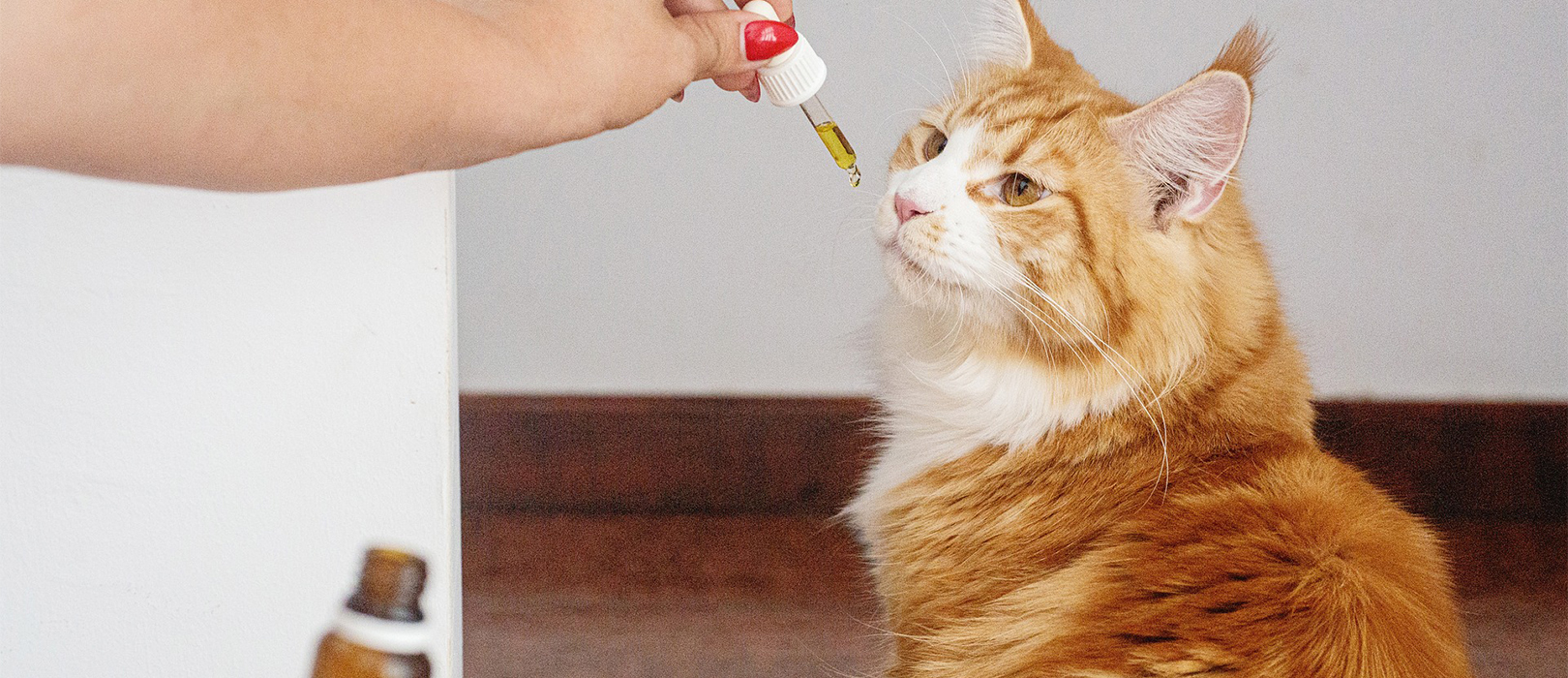
But following CBD legalization, pet owners are turning to CBD oil as a natural remedy for kidney issues in cats. Here we explore this treatment alternative. Remain on this page to learn more about CBD for cats with kidney disease.
Causes of Kidney Disease in Cats
Cat kidney disease can be categorized according to how long the disease takes to develop in a feline. Acute kidney disease develops rapidly, taking a few days to weeks. This type of kidney disease is common in cats of all ages and is typically caused by a sudden event. For instance, a physical injury to the kidneys can cause it.
Inversely, chronic kidney disease develops over a long time. This type of illness affects older felines and is harder to treat than the acute one. Determining this disease’s cause can be difficult because it develops over time.
Kidney Disease Symptoms
A cat with kidney disease manifests different symptoms. Below are some of the common symptoms you should watch out for.
- Frequent urination and increased thirst. A cat with this disease will most likely experience urination and thirst problems because urine production is the kidney’s primary function. An affected kidney has difficulties performing these functions, causing increased water loss through urination, causing increased thirst.
- Weight loss. A sick cat also suffers weight loss because it loses its appetite. Reduced appetite means the cat eats less, automatically reducing its weight.
- Vulnerability to bacterial infections. Weakened kidneys expose the urinary tract to bacterial attacks. This attack increases bacterial attacks’ frequency and severity. We recommend consulting a vet immediately after you see this symptom for early treatment.
- Puking. Your cat may vomit, especially after meals. This symptom can also cause weight loss in the long run.
- Fatigue. Affected felines suffer from general body weakness, particularly in their later stages. The cat loses interest in playing and spends more time sleeping. It may also suffer from increased blood pressure.
- Bloody urine. If you don’t detect the problem and start treating kidney disease in your cat early enough, it might pass bloody urine. This symptom usually occurs when the disease has advanced and might wound the urinary tract. The wounds start bleeding, causing blood spots in the feline’s urine.
- Disrupted sleeping patterns. A sick cat has reduced energy, which causes it to want to sleep more.
- A swollen and tender belly. Injured or diseased kidneys can strain and make them swell. This swelling is usually painful when compressed.
Kidney Disease Diagnosis
Detecting kidney disease may involve different methods. For instance, a vet can collect blood and urine samples for analysis. The traditional approach involves analyzing creatinine and blood urea nitrogen in the collected samples because kidneys excrete these byproducts. A cat with increased levels of these elements in its blood will most likely have kidney disease.
A vet also examines these two elements in the cat’s urine because other conditions can cause their increased levels. A cat with chronic kidney disease has increased urea and creatinine levels, including poorly concentrated urine, indicating positive or negative proteins in a feline’s urine. Fortunately, a new blood testing method is available. This diagnosis alternative called Symmetric Dimethylarginine, or SDMA, is six times more sensitive than creatinine. The method promotes timely kidney disease detection and a more precise diagnosis of the kidney disease stages.
The Benefits of CBD For Cats With Kidney Disease
What are the benefits of CBD oil for cats? They are plentiful, based on the ongoing research and testimonies cat owners give. Below are the top health bonuses of using this oil to manage your cat’s kidney disease.
- Improved appetite. CBD oil improves a sick cat’s appetite by affecting its ECS system, which regulates hunger. The oil also affects a feline’s sensory perception, determining how food tastes to the cat’s palate. Additionally, CBD’s anti-nausea and anti-vomiting power support a healthy appetite.
- Improved anxiety and mood. Improved mood and reduced anxiety are other ways CBD oil benefits a sick cat. It does this by acting on a serotonin receptor called the 5-HT-1 receptor. This neurotransmitter’s role in mood and cognitive function is adequately researched and documented. CBD acts on serotonin and alleviates anxiety, and improves mood in felines.
- Immunity support. CBD oil also supports an affected cat’s immunity. CBD boosts immunity by activating enzymes in the white blood cells, such as macrophages.
- Pain relief. CBD oil also benefits a diseased cat through pain relief. It reduces pain by suppressing nerve activities in affected pain areas.
- Reduced inflammation. CBD also has strong anti-inflammation effects on cats. Remember, inflammation is a key kidney disease component. CBD oil’s anti-inflammation power reduces the disease’s symptoms, increasing a cat’s quality of life.
How Does CBD Oil Fight Inflammation?
Now we come to our discussion’s most important aspect—the “how” question. How does CBD fight inflammation in cats suffering from kidney disease? First, all mammals have an endocannabinoid system (ECS). This system regulates normal bodily functions in people and felines.
The best side of this system is that it works similarly in all mammals. That means cats can equally benefit from CBD’s interaction with the system, just like people. CBD exerts its curative power by interacting with the ECS and its neurotransmitters. The ECS has two main transmitters, namely CB1 and CB2.
The CB1 receptors are the primary transmitters that modulate the central nervous system and the brain. They also exist in other body parts, like the kidneys. These transmitters regulate sleep, mood, appetite, and pain sensation. These transmitters’ interaction suppresses body pain.
Inversely, CB2 receptors have an anti-inflammatory effect and prevent tissue damage. Activating these CB2 receptors reduces inflammation and oxidative stress. The CB2 receptors exist in cells that affect the body’s immune system.
Moreover, CBD’s interaction with serotonin receptors has properties that relieve anxiety and pain. Low-dose CBD treatments cause analgesia while minimizing stress by activating the 5-HT1A receptors. Remember, serotonin also mediates nausea and vomiting, a relationship that lays a basis for pharmacological treatment of both symptoms. This way, experts believe that targeting the ECS using external cannabinoids such as CBD can cause the same therapeutic responses from its receptors. Eventually, an affected mammal, including a cat, benefits from improved quality of life.
Closing Remarks
Now you are up to date with everything you need to learn about CBD oil’s anti-inflammation power against kidney disease in cats. The ball is in your court to use these details to make an informed choice that will boost your feline’s kidney health.
The author of this material is Lana Braslavska, an expert in cannabis product choice for people and animals and a regular blogger contributing materials to the AskGrowers blog. Lana is passionate about the health benefits of CBD and conducts in-depth academic research on its use in all types of consumers for maximum health value.


