
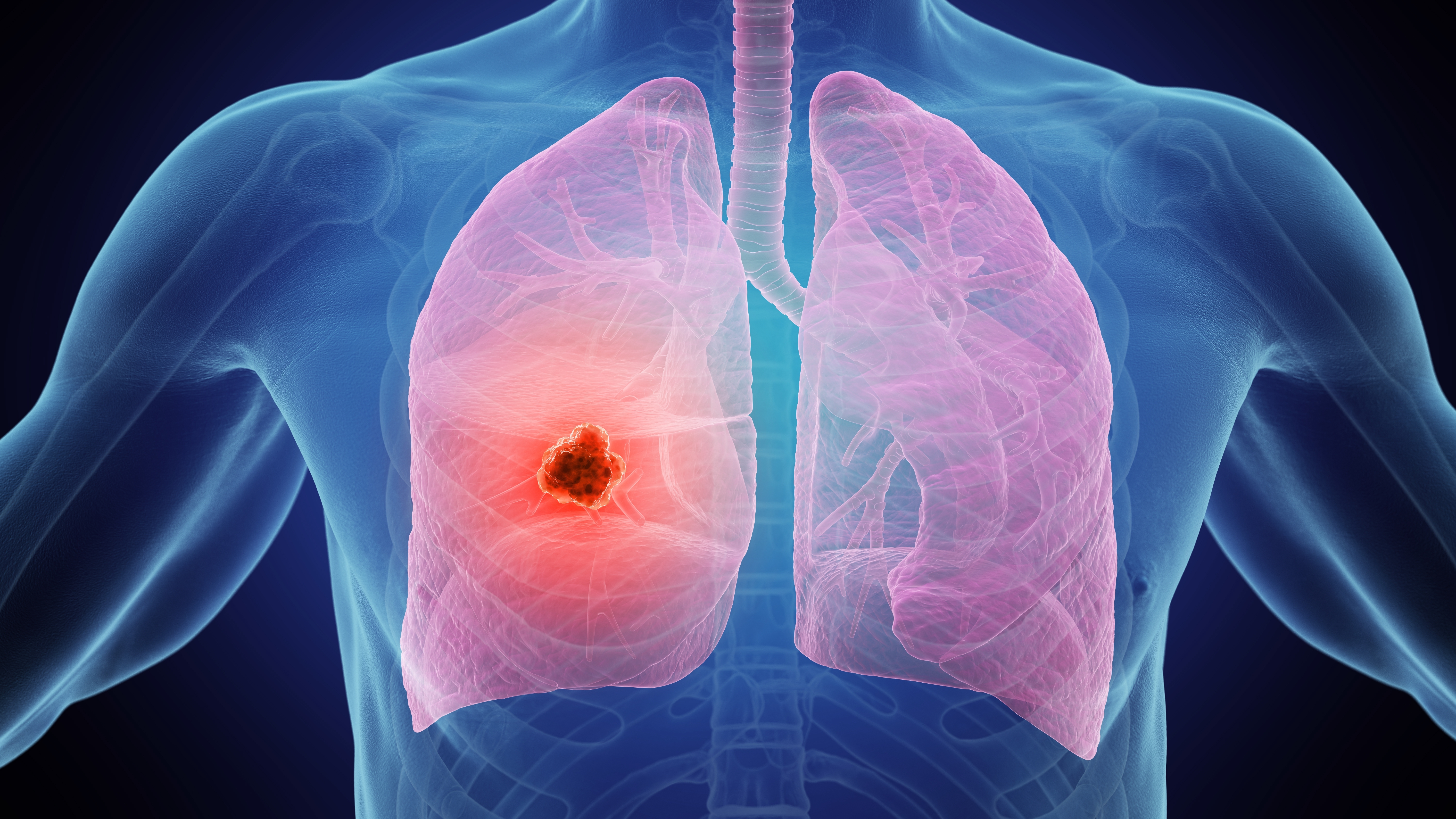
A new treatment combination may improve outcomes for people with advanced squamous non-small cell lung cancer (NSCLC), a common type of lung cancer often linked with smoking. Results from the phase 3 HARMONi-6 clinical trial showed that ivonescimab plus chemotherapy helped patients live longer than tislelizumab plus chemotherapy when used as the first treatment for advanced disease.
Ivonescimab is an investigational immunotherapy designed to target both PD-1 and VEGF, two pathways that cancer can use to grow and avoid the immune system. By blocking both pathways, ivonescimab may help the immune system attack cancer while also interfering with the tumor’s blood supply.
In the HARMONi-6 trial, 532 patients in China with previously untreated, advanced squamous NSCLC were randomly assigned to receive either ivonescimab plus chemotherapy or tislelizumab plus chemotherapy. Tislelizumab is an immunotherapy that targets PD-1. Both groups received paclitaxel and carboplatin chemotherapy for 4 cycles, followed by maintenance immunotherapy.
After a median follow-up of about 21 months, patients treated with ivonescimab plus chemotherapy lived a median of 27.9 months compared with 23.7 months for patients treated with tislelizumab plus chemotherapy. This translated to a 34% lower risk of death with the ivonescimab combination. At 2 years, 64.7% of patients who received ivonescimab were still alive compared with 48.6% of those who received tislelizumab.
Earlier results from the same study also showed that ivonescimab plus chemotherapy delayed cancer growth. Patients who received ivonescimab had a median progression-free survival of 11.1 months compared with 6.9 months for patients who received tislelizumab.
The survival benefit was seen across several patient groups, including patients with different PD-L1 levels. This is important because PD-L1 testing is often used to help guide immunotherapy decisions in lung cancer, but not all patients have high PD-L1 expression.
Side effects were common in both treatment groups, as expected with immunotherapy plus chemotherapy. Serious treatment-related side effects occurred in 41.4% of patients receiving ivonescimab and 34.3% of patients receiving tislelizumab. The most common side effects were related to chemotherapy, including anemia and low white blood cell counts. Because ivonescimab also targets VEGF, side effects such as protein in the urine, bleeding, and high blood pressure were seen more often with ivonescimab, though most were mild to moderate.
These results suggest that ivonescimab plus chemotherapy could become an important first-line treatment option for advanced squamous NSCLC, at least in regions where the drug becomes approved. However, patients should know that HARMONi-6 was conducted in China and compared ivonescimab with tislelizumab, not with pembrolizumab, which is commonly used in the United States. A global phase 3 trial called HARMONi-3 is now studying ivonescimab plus chemotherapy compared with pembrolizumab plus chemotherapy in a broader international group of patients with advanced NSCLC.
Patients with newly diagnosed advanced squamous NSCLC may want to ask their doctor whether they are eligible for immunotherapy plus chemotherapy, whether PD-L1 testing has been performed, and whether a clinical trial involving ivonescimab or another new immunotherapy approach may be available.
References:
- Zhiwei C, Yang F, Luo Y, et al. Ivonescimab plus chemotherapy versus tislelizumab plus chemotherapy in previously untreated advanced squamous non–small cell lung cancer: overall survival results of the phase 3 HARMONi-6 trial. J Clin Oncol. 2026;44(suppl 17):LBA4.
2. Lu S, Liu B, Luo Y, et al. Ivonescimab plus chemotherapy versus tislelizumab plus chemotherapy in advanced squamous non-small-cell lung cancer (HARMONi-6): interim overall survival analysis of a randomised, double-blind, phase 3 trial in China. Lancet. Published online May 31, 2026.
3. Lu S, Yang F, Jiang Z, et al. Phase III study of ivonescimab plus chemotherapy versus tislelizumab plus chemotherapy as first-line treatment for advanced squamous non-small cell lung cancer (HARMONi-6). Ann Oncol. 2025;36(suppl 2):S1613.


