
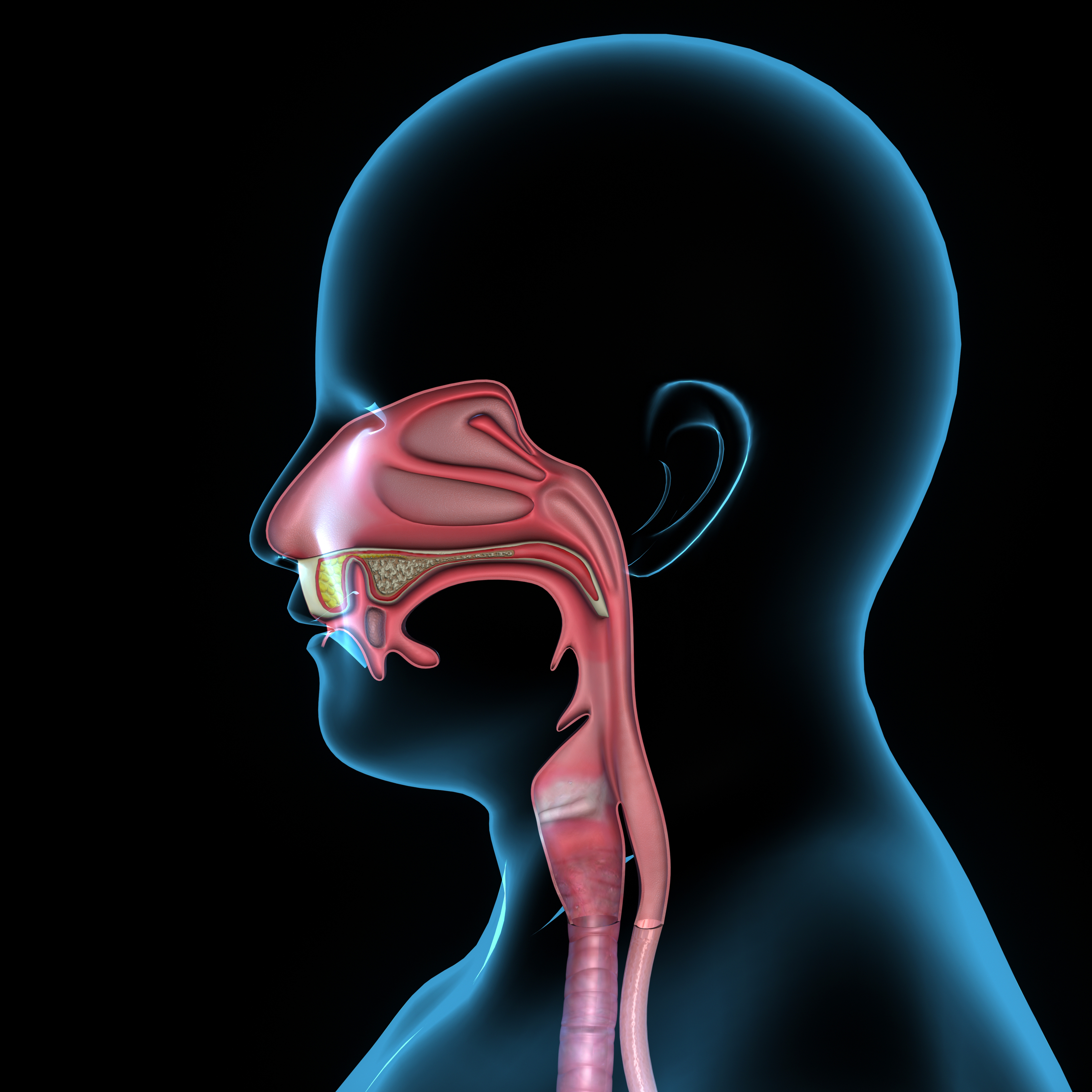
The targeted drug cetuximab, which is infused into a vein, outperformed the immunotherapy drug durvalumab in a clinical trial involving people with head and neck cancer.
The Challenge
- The usual treatment for advanced head and neck cancer is a drug called cisplatin with radiation therapy.
- About one-third of patients can’t have cisplatin due to other health issues like hearing loss or kidney problems.
- Finding the best treatment for these patients has been difficult.
The Study
Researchers compared two alternative treatments:
- Cetuximab (Erbitux) with radiation
- Durvalumab (Imfinzi) with radiation
Results
- Cetuximab worked better than durvalumab.
- After about 2.3 years:
- 64% of patients on cetuximab were alive without their cancer getting worse.
- 51% of patients on durvalumab had the same result.
What This Means for Patients
- If you can’t have cisplatin, cetuximab with radiation could be a good option.
- This study helps doctors better understand how to treat patients who can’t have the standard treatment.
Side Effects
Both treatments had similar side effects, including:
- Difficulty swallowing
- Low white blood cell counts
- Mouth sores
Looking Ahead
- More research is still needed to find the best treatment for each patient.
- Future studies may look at using immunotherapy drugs in different ways or at different times during treatment.
If you have head and neck cancer and can’t have cisplatin, talk to your doctor about whether cetuximab might be right for you.
More Reading
Head and Neck Cancer Resource Center
Head and Neck Cancer Survivorship
Reference


