
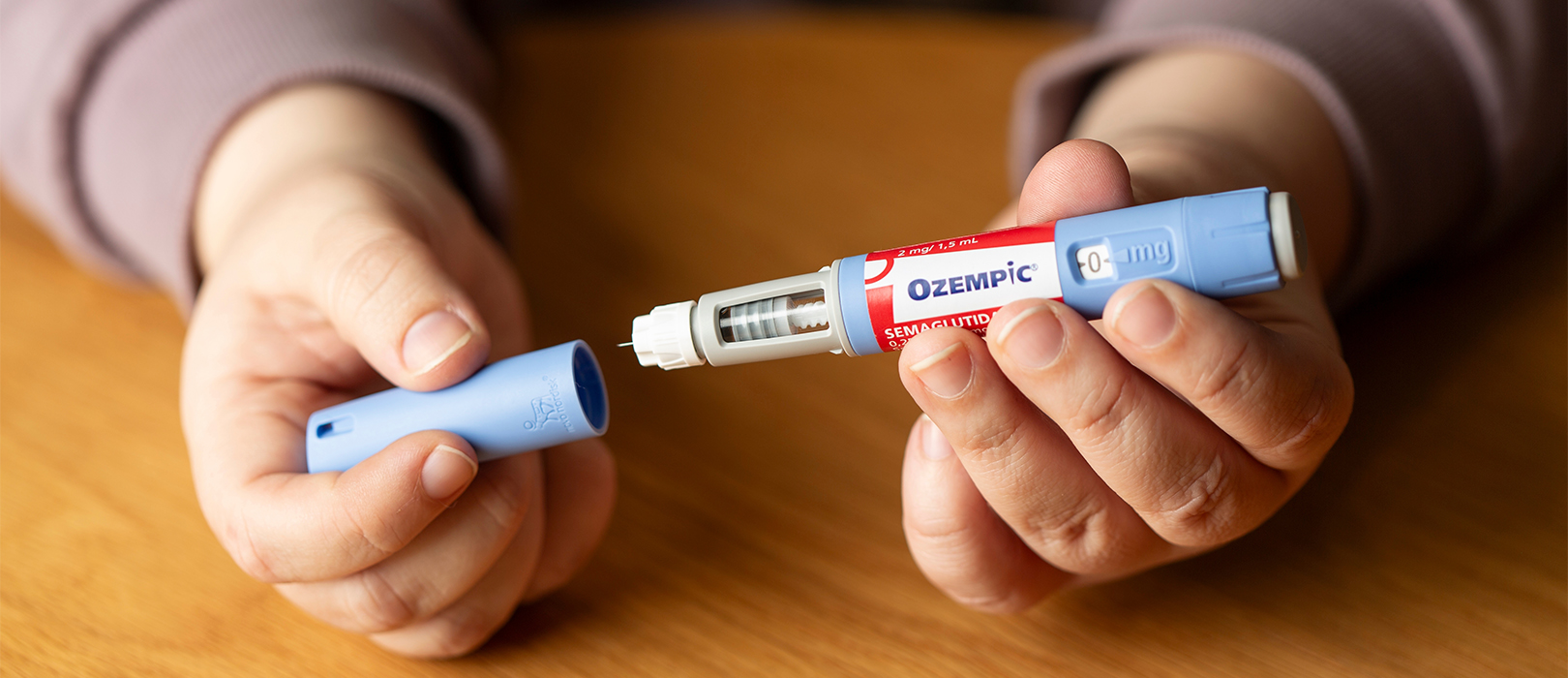
Ozempic and similar weight loss drugs are revolutionizing weight loss treatments and could potentially become preventative measures against obesity-related cancer. However, more research is still needed to determine whether cancer patients can take Ozempic after diagnosis, and doing so should be assessed on a case-by-case basis.
What Are the New Weight Loss Drugs and How Do They Work?
Ozempic, Wegovy, Trulicity, and Mounjaro are a few examples of well-known weight loss medications that belong to the class of drugs called GLP-1 agonists. GLP-1 agonists activate receptors in the body that stimulate insulin production, slowing down stomach digestion. Additionally, these drugs regulate Ghrelin and Leptin, two hormones responsible for communicating hunger and fullness to the brain. Patients on these medications describe a constant sensation of fullness. Ozempic and other GLP-1 agonists are effective at aiding people with weight loss, especially when combined with lifestyle changes.
Can Weight Loss Decrease the Risk of Cancer?
High body fat levels contribute to an elevated risk of certain cancers, including breast, prostate, and endometrial cancer. Ozempic and similar drugs can help initiate weight loss efforts in high-risk people, thus acting as preventative measures against obesity-related cancers.
Can Weight Loss Drugs Help People Diagnosed with Cancer?
Besides acting as preventative measures, weight loss drugs like Ozempic may also help patients looking to reduce body weight during cancer treatments or reduce the chance of recurrence after treatment.
The current FDA indication for receiving a GLP-agonist weight loss treatment is obesity and a metabolic disorder related to obesity, such as diabetes. Research at Memorial Sloan Kettering Cancer Center (MSKCC) aims to determine whether cancer diagnosis should be added as a reason for treatment.
Currently, no data exists indicating whether Ozempic and similar drugs help patients recently diagnosed with cancer. One concern is that the drugs could potentially interfere with treatments or cause additional gastrointestinal side effects. Patients who have tolerated treatments well for several months may talk to their oncologist about whether starting a weight loss drug like Ozempic is advisable.
Side Effects
Adverse effects of Ozempic and similar drugs include nausea and vomiting, as well as a serious yet rare increased risk of suicidal thoughts and possibly thyroid cancer.
Ozempic may also protect against some cancers for reasons besides obesity, but more research in this area is needed.
References


