
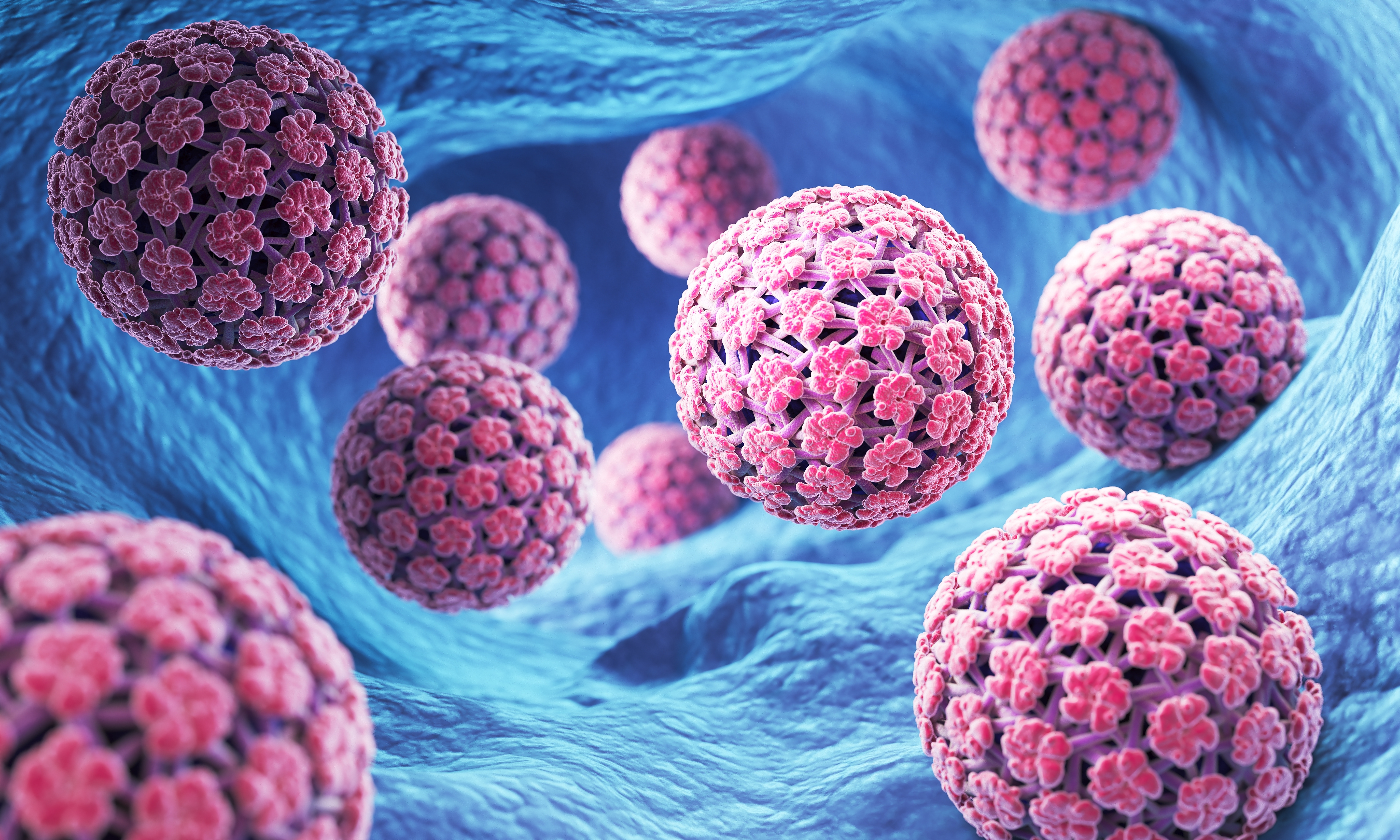
HPV vaccination is now known to sharply lower the risk of cervical cancer and other HPV-related cancers, especially when given before exposure to the virus. At the same time, many adults still do not realize that HPV can cause multiple cancers in all genders, underscoring the need for better education and higher vaccination rates.
Awareness gaps about HPV and cancer
A national analysis reported that more than 70 percent of U.S. adults do not know HPV can cause anal, penile, or oral cancers. Among adults who have heard of HPV, only about one in three recognize its link to these non‑cervical cancers, even though most HPV‑related oropharyngeal, anal, and many penile cancers are driven by high‑risk types such as HPV 16 and 18.
Men remain less aware than women that HPV can cause cancer, despite the fact that HPV‑related oropharyngeal cancer is now the most common HPV‑associated cancer in men and a leading cause of HPV‑related cancer deaths. Young adults also have knowledge gaps: surveys show many do not know that HPV causes cervical cancer, and awareness of HPV’s role in anal, penile, and throat cancers is especially low.
Strong real‑world evidence that HPV vaccines prevent cancer
A large nationwide study from Sweden following 1.67 million girls and women ages 10 to 30 between 2006 and 2017 showed that quadrivalent HPV vaccination was associated with a substantially lower risk of invasive cervical cancer. Cervical cancer was diagnosed in 19 vaccinated women compared with 538 unvaccinated women, confirming that HPV vaccination prevents cervical cancer at a population level.
Protection was greatest when the vaccine was given at younger ages, before exposure to HPV through sexual activity. Real‑world data from multiple countries now show dramatic reductions—often greater than 80 percent—in high‑grade precancerous cervical lesions and invasive cervical cancer among those vaccinated in early adolescence.
HPV, cancer, and why vaccination matters for everyone
HPV is a common sexually transmitted infection with more than 100 types; certain “high‑risk” types, especially HPV 16 and 18, cause the majority of cervical cancers and a large share of anal, vulvar, vaginal, penile, and oropharyngeal cancers. Globally, cervical cancer alone causes more than 300,000 deaths each year, most in countries with limited screening and vaccination access.
Because HPV‑related cancers also affect men and are rising in some sites such as the oropharynx, current recommendations emphasize vaccination for all genders, both to protect individuals and to reduce spread of high‑risk HPV types in the community. Experts view widespread HPV vaccination—combined with cervical screening—as a realistic pathway toward eliminating cervical cancer as a public health problem in many regions.
Current HPV vaccine recommendations
The U.S. Centers for Disease Control and Prevention (CDC) recommends routine HPV vaccination starting at age 9, with a two‑dose schedule for those who begin the series before age 15 and a three‑dose schedule when the first dose is given at age 15 or older. Vaccination is also recommended for everyone through age 26 if not adequately vaccinated earlier, and adults ages 27 to 45 may choose vaccination based on shared decision‑making with a clinician.
Even after vaccination, cervical cancer screening remains essential because current vaccines do not cover every cancer‑causing HPV type and vaccinated individuals can still develop disease from non‑vaccine types. Guidelines increasingly favor HPV‑based screening methods, which have been shown to reduce the long‑term risk of invasive cervical cancer compared with cytology alone.
Safety of modern HPV vaccines
Extensive safety monitoring, including very large studies in routine clinical care, has found no serious new safety concerns with quadrivalent or 9‑valent HPV vaccines. In a cohort evaluating hundreds of thousands of HPV vaccine doses, serious adverse events and deaths were rare and occurred at rates similar to unvaccinated comparison groups, while fainting and mild injection‑site reactions were among the most common short‑term side effects.
A large health‑system analysis of nearly 200,000 young women found no increased risk of primary ovarian insufficiency after HPV vaccination, helping to address concerns about fertility effects. Ongoing surveillance by vaccine safety networks continues to support that HPV vaccines are very safe, with benefits that greatly outweigh the known risks.
References:
- Ho GY, Bierman R, Beardsley L, Chang CJ, Burk RD. Natural history of cervicovaginal papillomavirus infection in young women. New EnglandJournal of Medicine. 1998;338(7):423-28.
- Wang SS, Zuna RE, Wentzensen N, et al. Human papillomavirus cofactors by disease progression and human papillomavirus types in the Study to Understand Cervical Cancer Early Endpoints and Determinants. Cancer Epidemiology, Biomarkers, and Prevention. 2009;18(1):113-20.
- Markowitz LE, Dunne EF, Saraiya M, et al. Quadrivalent human papillomavirus vaccine: Recommendations of the Advisory Committee on Immunization Practices (ACIP). MMWR. 2007;56(RR-2):1-24.
- Gardasil® Prescribing Information. Merck Web site. Available at: gardasil.com/prescribing-information-about-gardasil.html. Accessed April 8, 2009.
- Advisory Committee on Immunization Practices. Minutes of the October 2008 meeting. Centers for Disease Control and Prevention Web site. Available at: cdc.gov/vaccines/recs/acip/meetings.htm. Accessed April 8, 2009.
- Kroger AT, Atkinson WL, Marcuse EK, et al. General recommendations on immunization: Recommendations of the Advisory Committee on Immunization Practices (ACIP). MMWR. 2006;55(RR-15):1-48.
- Global Cancer Facts & Figures 2007. American Cancer Society Web site. Available here. Accessed April 8, 2009.
- Cancer Facts & Figures 2018. American Cancer Society Web site. Available here.
- Ryerson AB, Peters ES, Coughlin SS, et al. Burden of potentially human papillomavirus-associated cancers of the oropharynx and oral cavity in the US, 1998-2003. Cancer. 113(10 Suppl):2901-9.
- Sturgis EM, Cinciripini PM. Trends in head and neck cancer incidence in relation to smoking prevalence: An emerging epidemic of human papillomavirus-associated cancers? Cancer. 2007;110(7):1429-35.
- Gillison ML, Chaturvedi AK, Lowy DR. HPV prophylactic vaccines and the potential prevention of noncervical cancers in both men and women. Cancer. 2008;113(10 Suppl):3036-46.
- Lacey CJ, Lowndes CM, Shah KV. Chapter 4: Burden and management of non-cancerous HPV-related conditions: HPV-6/11 disease. Vaccine. 2006;24(3 Suppl:S3/35-S3/41.
- Lacey CJN, Lowndes CM, Shah KV. Chapter 4: Burden and management of non-cancerous HPV-related conditions: HPV-6/11 disease. Vaccine. 2006;24(3 Suppl):S35-S41.
- Smith RA, Cokkinides V, Brawley OW. Cancer screening in the United States, 2008: A review of current American Cancer Society guidelines and cancer screening issues. CA: A Cancer Journal for Clinicians. 2008;58(3);161-79.
- Hildesheim A, Herrero R, Wacholder S et al. Effect of human papillomavirus 16/18 L1 viruslike particle vaccine among young women with preexisting infection. JAMA. 2007;298:743-753.
- CDC Media Advisory. ACIP recommends all 11-12 year-old males get vaccinated against HPV. Recommendations subject to approval by CDC. October 25, 2011.
- Mahmud SM, Kliewer EV, Lambert P, et al: Effectiveness of the Quadrivalent Human Papillomavirus Vaccine Against Cervical Dysplasia in Manitoba, Canada. Journal of Clinical Oncology. Published early online January 6, 2014. doi: 10.1200/JCO.2013.52.4645
- Kang LW, Crawford N, Tang MLK, et al. Hypersensitivity reactions to human papillomavirus vaccine in Australian schoolgirls: Retrospective cohort study. British Medical Journal. 2008;337:a2642, doi: 10.1136/bmj.a2642 (Published 2 December 2008)
- Klein NP, Hansen J, Chao C, et al. Safety of quadrivalent human papillomavirus vaccine administered routinely to females. Archives of Pediatrics&Adolescent Medicine. Published early online October 2012. doi:10.1001/archpediatrics.2012.1451.
- The FUTURE I/II Study Group. Four year efficacy of prophylactic human papillomavirus quadrivalent vaccine against low grade cervical, vulvar, and vaginal intraepithelial neoplasia and anogenital warts: randomised controlled trial. BMJ. 2010;341:c3493.
- Public Knowledge of Human Papillomavirus and Receipt of Vaccination Recommendations
- HPV Vaccination and the Risk of Invasive Cervical Cancer


