
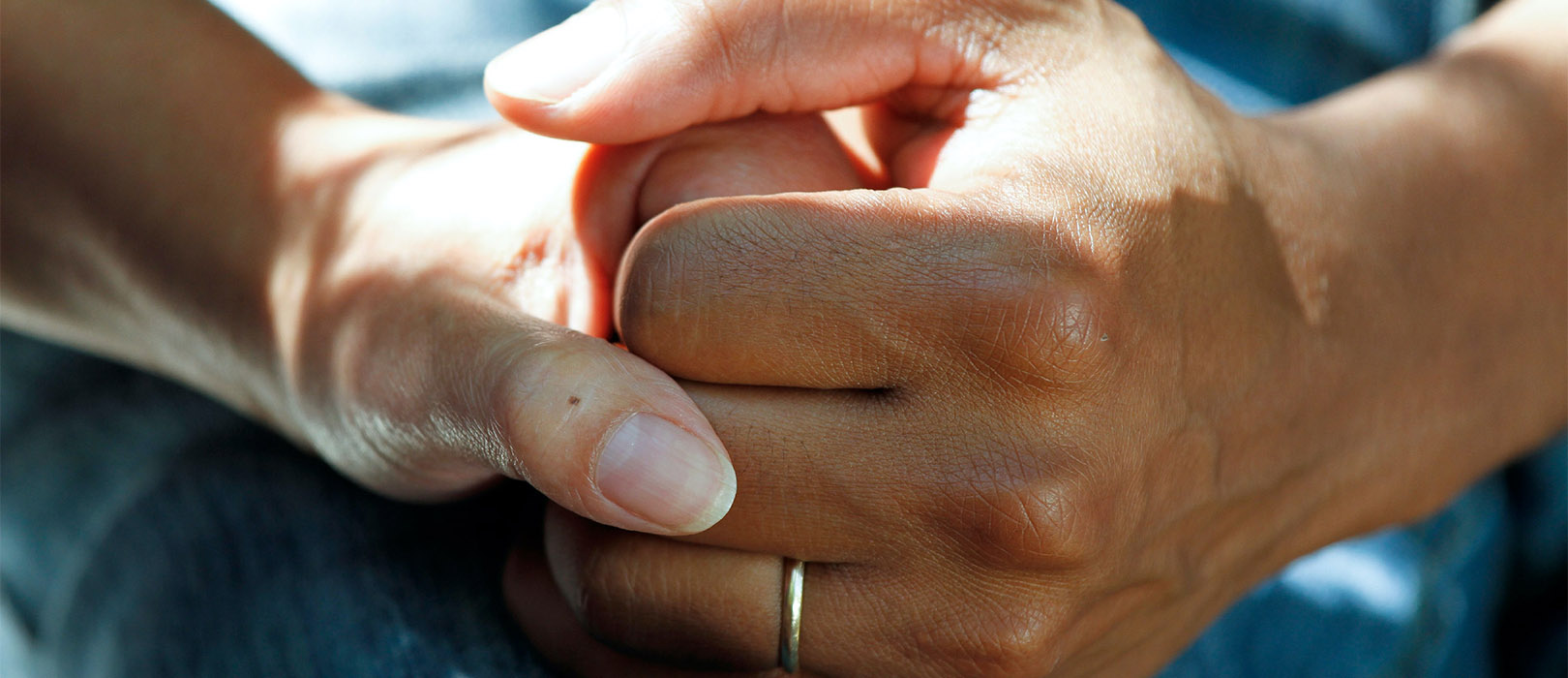
The journey through cancer treatment and recovery can be an incredibly challenging one. The physical trials are often accompanied by a whirlwind of emotional and psychological struggles. While the importance of medical treatment cannot be overstated, there is another crucial aspect of this journey that often goes unacknowledged: the power of community. Let’s delve into how a supportive community can significantly impact the process of cancer treatment and recovery.

Community: The Emotional Safety Net
Being diagnosed with cancer can stir up a host of emotions — fear, anger, confusion, sadness. It’s an emotional roller coaster that’s hard to ride alone. That’s where a supportive community steps in. Whether it’s family, friends, or a support group of individuals going through the same struggle, having people to share your fears and hopes with can make a profound difference. They serve as an emotional safety net, providing comfort, understanding, and a sense of solidarity.
But a community is not a given – if you’re constantly asking the question, ‘Why am I socially awkward?’, a diverse community might not be in your arsenal. From a lack of social skills to outright social anxiety, certain people really suffer to build a social circle. Fear not – many cancer communities can offer support and nurture new friendships. From online forums to actual social meeting groups, it could open doors to new social opportunities.
Practical Support and Assistance: Transport
Transportation to and from medical appointments is a crucial form of practical assistance. The exhaustive nature of cancer treatments often leads to fatigue, and sometimes the side effects of treatments or medications can make it unsafe or uncomfortable for patients to drive themselves.
A community member can step into this role by taking responsibility for driving the patient to their appointments. They’ll not only assist with physical transportation but also provide emotional support during the journey. These car rides can turn into spaces of conversation and connection, where the patient can express their concerns or fears about their upcoming treatment in a safe, intimate setting. Having a trusted companion during these trips can make the journey less daunting and more comforting.
This simple act of service can be immensely beneficial, reducing the stress associated with arranging transportation, ensuring the patient arrives at their appointments on time, and providing moral support during what can be a challenging time.
Knowledge and Resources
Communities, particularly cancer support groups, can be treasure troves of valuable information and resources. They can offer insight into different treatment options, advice on managing side effects, and suggestions for various local resources or cancer-specific services. The shared wisdom and experiences of others can guide and support you on your path to recovery.
Boosting Mental Health
Support groups are vital for enhancing mental health during cancer treatment and recovery. These groups typically comprise individuals who are experiencing similar health situations. They serve as a platform where individuals can share personal experiences, express their emotions, and discuss their fears and hopes, fostering a sense of understanding and solidarity that might be hard to find elsewhere.
Joining a support group can provide several mental health benefits. The opportunity to speak openly about one’s feelings and experiences in a judgment-free space can be therapeutic. It can also help normalize what a patient is going through as they see others dealing with similar challenges.
Moreover, seeing peers confronting their disease can be inspirational. Sharing in others’ experiences of strength and resilience can provide a powerful source of hope and motivation. It can make the journey through treatment – and recovery feels less lonely and more manageable.
In addition, support groups can often become a source of valuable information. Experienced members of the group or professional facilitators can provide advice on managing treatment side effects, suggestions for coping strategies, and even guidance on navigating healthcare systems or tapping into available resources.
Participating in a support group, whether in-person or online, can help a person feel less isolated, more understood, and more equipped to deal with their circumstances. It’s an opportunity for connection and mutual support that can significantly boost mental well-being during the challenging journey of cancer treatment and recovery.

Inspiration and Motivation
Last but not least, a supportive community can offer inspiration and motivation. Seeing others dealing with similar challenges with strength and courage can foster hope and determination. Their stories of perseverance can serve as powerful motivators throughout your recovery journey.
The importance of a supportive community during cancer treatment and recovery is paramount. By providing emotional support, practical assistance, valuable knowledge, mental health boosts, and constant inspiration, the community becomes an essential pillar of strength in this challenging journey.
If you or a loved one is navigating the path of cancer treatment and recovery, consider reaching out and becoming part of support groups or communities. As humans, we thrive on connection, and these connections become all the more vital in times of adversity. Remember, you don’t have to face this journey alone; there is a community ready to embrace and support you every step of the way.


