
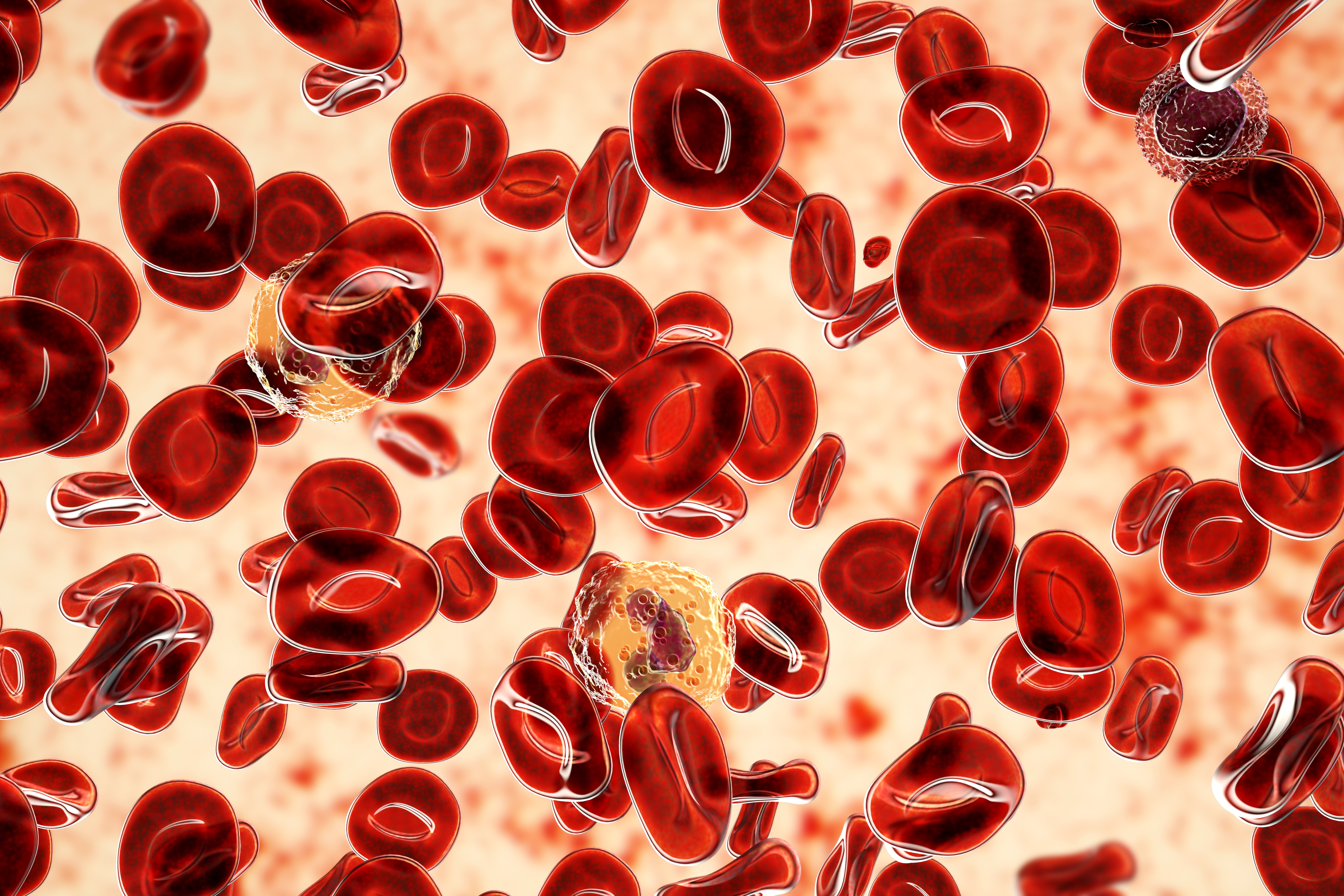
Rusfertide, a new investigational therapy, has shown significant benefits for people living with polycythemia vera (PV), a rare blood cancer, according to results from the phase 3 VERIFY study presented at the 2025 ASCO Annual Meeting. The study found that rusfertide, when added to standard treatments, more than doubled the rate of clinical response compared to placebo, helping patients better control their blood counts and reduce the need for frequent blood draws (phlebotomies). Patients taking rusfertide also reported improved quality of life and fewer symptoms, such as fatigue and night sweats, which are common in PV.
About the VERIFY Study
- Nearly 300 patients with PV who needed frequent phlebotomies were enrolled and randomly assigned to receive either rusfertide or a placebo, along with their usual treatment (which could include drugs like hydroxyurea, interferon, or ruxolitinib).
- The main goal was to see how many patients could avoid needing a phlebotomy between weeks 20 and 32 of the study. A response meant patients kept their hematocrit (the amount of red blood cells in the blood) below 45% without needing a blood draw.
- Results showed that 76.9% of patients on rusfertide avoided phlebotomy, compared to only 32.9% on placebo (p<0.0001).
- Rusfertide also helped more patients maintain stable hematocrit levels and reduced the average number of phlebotomies needed.
Quality of Life and Symptom Relief
- Many PV patients struggle with symptoms like severe fatigue, itching, and night sweats. In the VERIFY study, patients receiving rusfertide reported significant improvements in these symptoms and overall quality of life compared to those on placebo.
- Fatigue scores improved, and patients experienced fewer complaints related to their disease, making daily life easier.
Safety Information
- Rusfertide was generally well tolerated. The most common side effects were mild injection site reactions and some cases of anemia, both expected with this type of medication.
- Serious side effects were rare and not linked to rusfertide. Importantly, there was no increased risk of new cancers in patients treated with rusfertide compared to placebo.
How Rusfertide Works
Rusfertide is a first-in-class medicine that mimics hepcidin, a natural hormone that regulates iron in the body. By controlling iron, rusfertide helps reduce the overproduction of red blood cells that defines PV, keeping blood counts in a safer range.
What’s Next?
- The VERIFY study is ongoing, with longer-term results expected in the future to confirm the safety and effectiveness of rusfertide over time.
- These findings suggest rusfertide could soon become a valuable new treatment option for patients with PV, especially those who still need frequent phlebotomies despite current therapies.
What This Means for Patients
If you have polycythemia vera and are struggling to control your blood counts or symptoms with current treatments, rusfertide may offer a promising new option in the near future. Talk to your healthcare provider about ongoing clinical trials or future availability of rusfertide as more data becomes available.
More Reading
Join the conversation on Cancer Connect.
Reference
Kuykendall AT, Pemmaraju N, Pettit KM, et al. Results from VERIFY, a phase 3, double-blind, placebo (PBO)-controlled study of rusfertide for treatment of polycythemia vera (PV). J Clin Oncol. 2025;43(suppl 17):LBA3.


