
Radiation therapy is a standard and effective part of treatment for many women with breast cancer, especially after breast-conserving surgery (lumpectomy). Radiation uses high-energy X-rays to destroy any remaining cancer cells in the breast or nearby lymph nodes, lowering the risk of cancer returning in the breast, chest wall, or underarm area.
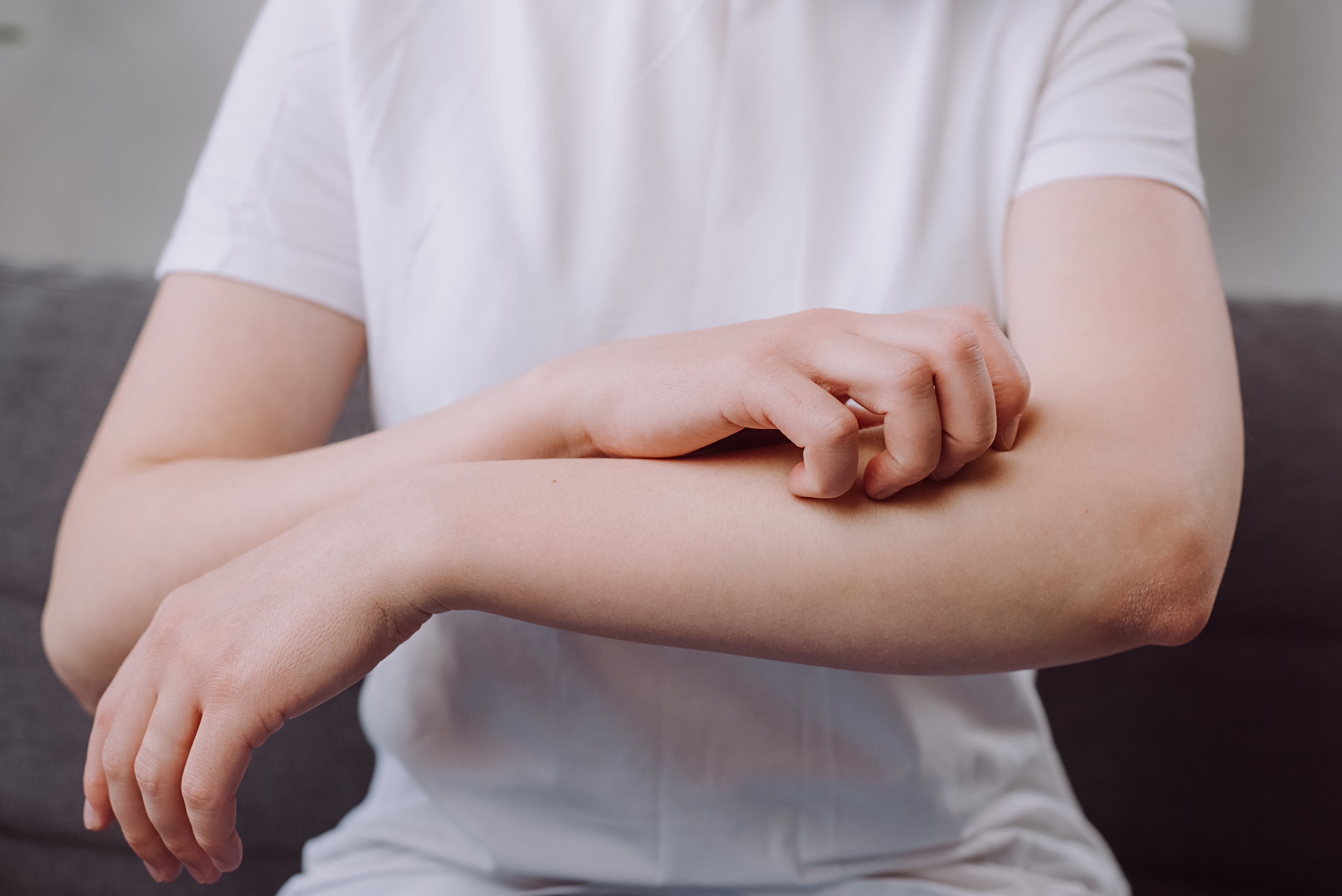
While radiation can be lifesaving, it often causes skin side effects in the area being treated. The most common is radiation dermatitis, which may cause redness, itching, tenderness, dryness, or even blisters and peeling. Severe dermatitis can sometimes interrupt treatment, since doctors may need to pause therapy to let the skin heal.
Because completing radiation on schedule is important for the best cancer outcomes, researchers continue to study ways to prevent or reduce these skin reactions.
What Has Been Studied
Melatonin Cream:
A small clinical study found that a topical cream containing melatonin reduced skin irritation during radiation compared with a placebo cream. About 59% of women using melatonin cream developed dermatitis, compared to 90% in the placebo group. Most side effects were mild to moderate, and women over 50 seemed to benefit the most. While promising, this was a small study, and larger trials are needed to confirm results.
Calendula (Marigold):
One larger trial compared calendula cream (made from marigold flowers) to trolamine, a cream commonly prescribed to manage radiation skin irritation. Patients using calendula had fewer severe reactions (41% vs 63%), less pain, and fewer treatment interruptions. Calendula remains one of the more widely discussed complementary options, although not all cancer centers recommend it routinely.
Aloe Vera:
Although aloe vera gel has long been used to soothe irritated skin, studies in breast cancer patients have shown it does not significantly prevent or reduce radiation-related skin problems. In fact, standard moisturizers (aqueous cream) performed better than aloe vera in randomized studies.
What Doctors Recommend Today
Most cancer centers now recommend:
- Starting gentle skin care from day one of treatment (using mild soap, keeping skin moisturized, avoiding perfumes or irritants).
- Using prescription creams or gels if reactions develop.
- Asking your care team before applying over-the-counter or herbal products, since not all are safe or effective.
Research into natural or complementary products such as melatonin and calendula is ongoing, and some results are encouraging. However, what works for one patient may not work for another.
The Takeaway for Patients
Skin reactions during breast radiation are common but usually manageable and temporary. Keeping skin care simple, reporting any irritation early, and working closely with your radiation team are the best ways to stay on track with treatment.
If you’re interested in complementary approaches like calendula or melatonin cream, talk to your doctor or nurse. Participation in clinical trials may also be an option, offering access to new supportive-care strategies while helping researchers refine best practices for future patients.
Bottom line: Radiation skin side effects are common but temporary. Moisturizers, prescribed creams, and in some cases, integrative options like calendula or melatonin-based creams may help. Always check with your healthcare team before starting anything new on your skin during radiation.
Reference:
Ben-David MA, Elkayam R, Galarenter I and Pfeffer RM. A prospective, double-blind, randomized study of a melatonin-containing cream for radiation-induced breast dermatitis. Presented at the 2010 Breast Cancer Symposium, Washington, DC, October 1-3, 2010. Abstract 123.

Aloe Vera
According to an article recently published in Cancer Nursing, aloe vera gel did not significantly reduce radiation-induced skin side effects in women undergoing treatment for breast cancer.
Aloe vera is a succulent plant native to Africa. Its leaves are long, green and fleshy, containing a gel inside that has been used by herbalists for centuries to sooth dry and damaged skin. It has also been used historically to treat minor cuts and burns. Little research has been conducted to investigate the efficacy of aloe vera in a clinical trial context.
A Phase III study conducted in Australia investigated the effectiveness of aloe vera gel on irradiated breast tissue. In addition, the study also explored which patients were most likely to experience skin side effects from radiation. Two hundred twenty-five breast cancer patients who had undergone lumpectomy or partial mastectomy and were undergoing radiation therapy participated in the study. Patients were randomized to receive either aloe vera gel or an aqueous cream, each applied three times daily during treatment and for two weeks following treatment completion. Nurses evaluated and recorded skin conditions once a week.
This trial reported that aqueous cream was significantly more effective than aloe vera gel at reducing dry, peeling skin and its accompanying pain. The data also suggested that women with breasts D cup or larger were significantly more likely to have erythema (skin redness) than women with smaller breasts, regardless of which treatment they used. Smokers who used aqueous cream were significantly more likely to experience itching than nonsmokers using it. Patients using aloe vera gel who had one or more lymphocele drainages after surgery were significantly more likely to experience erythema (skin redness) and itching than those who had not undergone any drainages and used aloe vera gel. Overall, patients undergoing lymphocele drainage that used aloe vera gel were significantly more likely to experience pain than those using aqueous cream. The is no clear explanation for these associations and further research is needed to clarify their implications.
These researchers concluded that aquaeous cream, but not aloe vera gel, appeared useful in reducing radiation-induced skin side effects in breast cancer patients. Patients with breast cancer may wish to speak with their physician about the risks and benefits of CAM or about participation in a clinical trial further evaluating CAM therapies.
Reference: Heggie S, Bryant Gp, Tripcony L, et al. A Phase III study on the efficacy of topical aloe vera gel on irradiated breast tissue. Cancer Nursing. 2002;25:442-51.


