
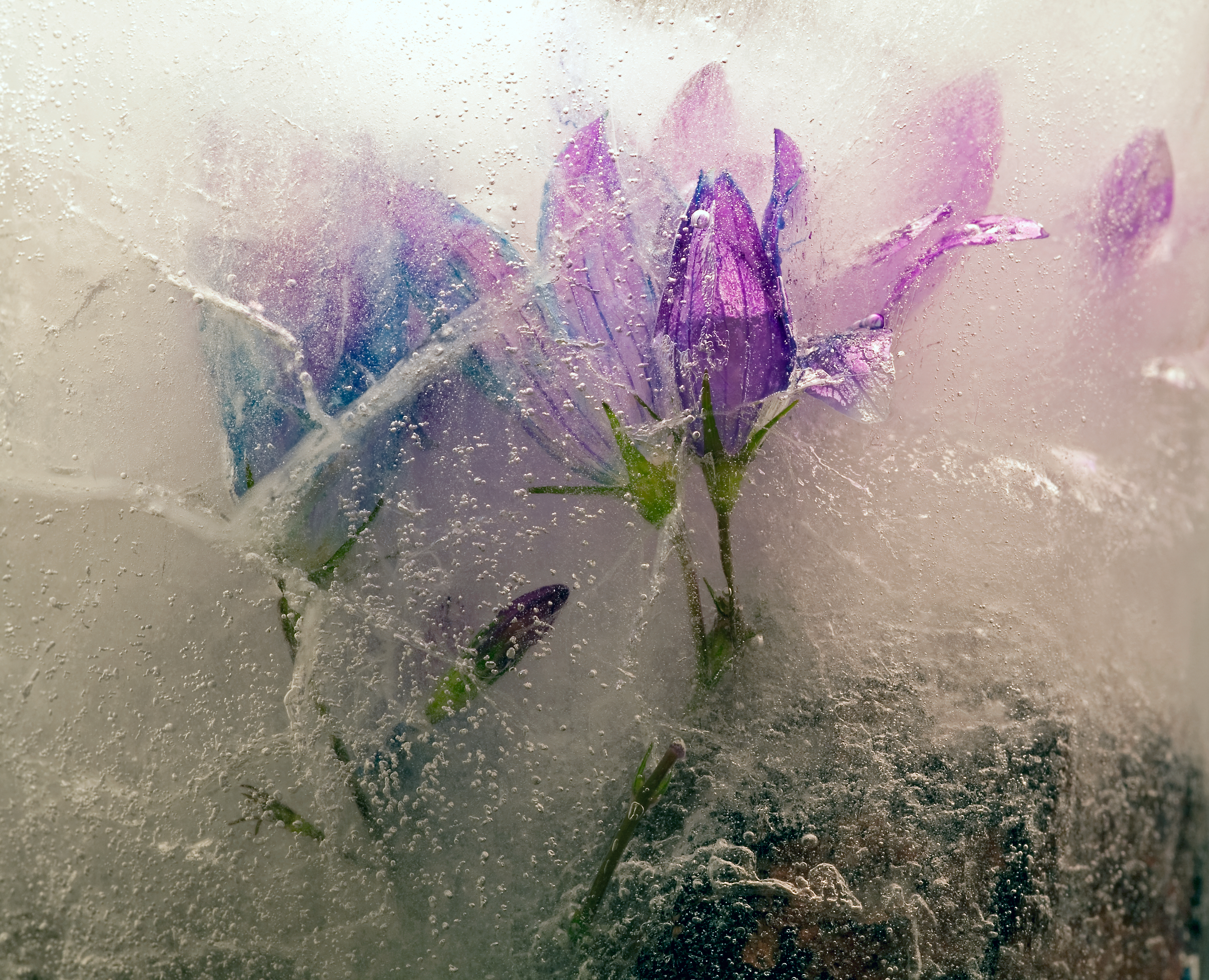
As the spring days stretch longer and the light lingers into the evening, that symbolism can feel complicated when you are living with cancer. This article explores what spring and longer days can mean in the context of cancer and offers ideas to help you feel grounded and supported during this season of change.
Why spring can feel emotionally intense
Even if spring does not “feed” cancer, the shift to brighter, longer days can intensify emotions:
- Nature is blooming and greening up while you may feel depleted, exhausted, or unwell.
- Friends and family may be making spring and summer plans—trips, gardening, outdoor events—while you are juggling scans, treatments, or recovery.
- The idea of “renewal,” longer evenings, and a new season can stir up grief about life before cancer and uncertainty about the future.
You might feel:
- Left behind or “out of sync” with the rest of the world
- Guilty if you are not feeling grateful or positive when everything looks bright and beautiful
- Pressure to “bounce back” just because the weather is nicer and the season is changing
All of these reactions are normal. There is no right or wrong way to feel about spring and its longer days when you are living with cancer.
Finding ways to “thrive” that fit your reality
Thriving with cancer in spring does not mean forcing yourself to be endlessly positive. It means finding small, realistic ways to support your body, mind, and spirit in the season you are in.
You might try:
- Gentle movement outdoors: Short walks, sitting on a bench in the sun, or stretching on a patio or by an open window can boost energy and mood.
- Micro-moments with nature: Notice one tree, one flowerbed, or one bird song a day. Tiny rituals of noticing can be grounding when life feels overwhelming.
- Flexible plans: Instead of committing to a full day out, make “if I feel up to it” plans—like a 15–30 minute visit to a park or garden with an easy exit plan if you get tired.
- Creative expression: Spring can be a good time to journal, take photos, paint, or plant a small container garden. These activities can help you process feelings without needing to find perfect words.
Thriving can be as simple as saying, “Today I will do one kind thing for my body,” such as resting without guilt, hydrating, or asking for help.
Caring for your body as seasons change
Cancer and its treatments can change how your body responds to spring weather and sunlight:
- Skin may be more sensitive or easily sunburned.
- Fatigue can make it harder to adjust as your daily routine shifts.
- Allergies or respiratory issues may feel worse when pollen is high.
Practical steps can help you feel safer and more comfortable:
- Wear a hat, light layers, and sunscreen if you spend time outdoors, and ask your team if any medicines make you more sun-sensitive.
- Pace yourself: increase activity slowly, and build in rest breaks if you are getting back to walking, gardening, or exercise.
- Drink fluids regularly, especially on warm days, to help prevent dehydration and dizziness.
- Talk with your doctor if allergies or breathing symptoms are new or worsening so they can rule out other causes and suggest safe treatments.
Listening to your body, rather than comparing yourself to others, is one of the most powerful ways to support healing in any season.
Making room for mixed emotions
Spring often brings mixed feelings: relief that winter is over, sadness about losses, fear of upcoming scans or appointments, and glimmers of hope. You do not need to “pick” one feeling and stick with it; they can all coexist.
You might find it helpful to:
- Name your feelings (“Today I feel…”) without judging them.
- Talk with a trusted friend, counselor, or support group about how seasonal changes affect you.
- Create one small spring tradition just for you—such as lighting a candle at sunset, noticing the first buds on a favorite tree, or making a simple seasonal meal that feels nourishing.
For many people, spring is a gentle reminder that change is always happening—nothing stays frozen forever, but growth rarely follows a neat or predictable timeline. Your path through cancer will unfold in its own way and at its own pace. It is okay if your body and your heart move more slowly than the season unfolding outside your window. As you imagine what “thriving” might look like for you this spring, think of one small, realistic step—physical, emotional, or spiritual—that you feel ready to try in the coming week.


