
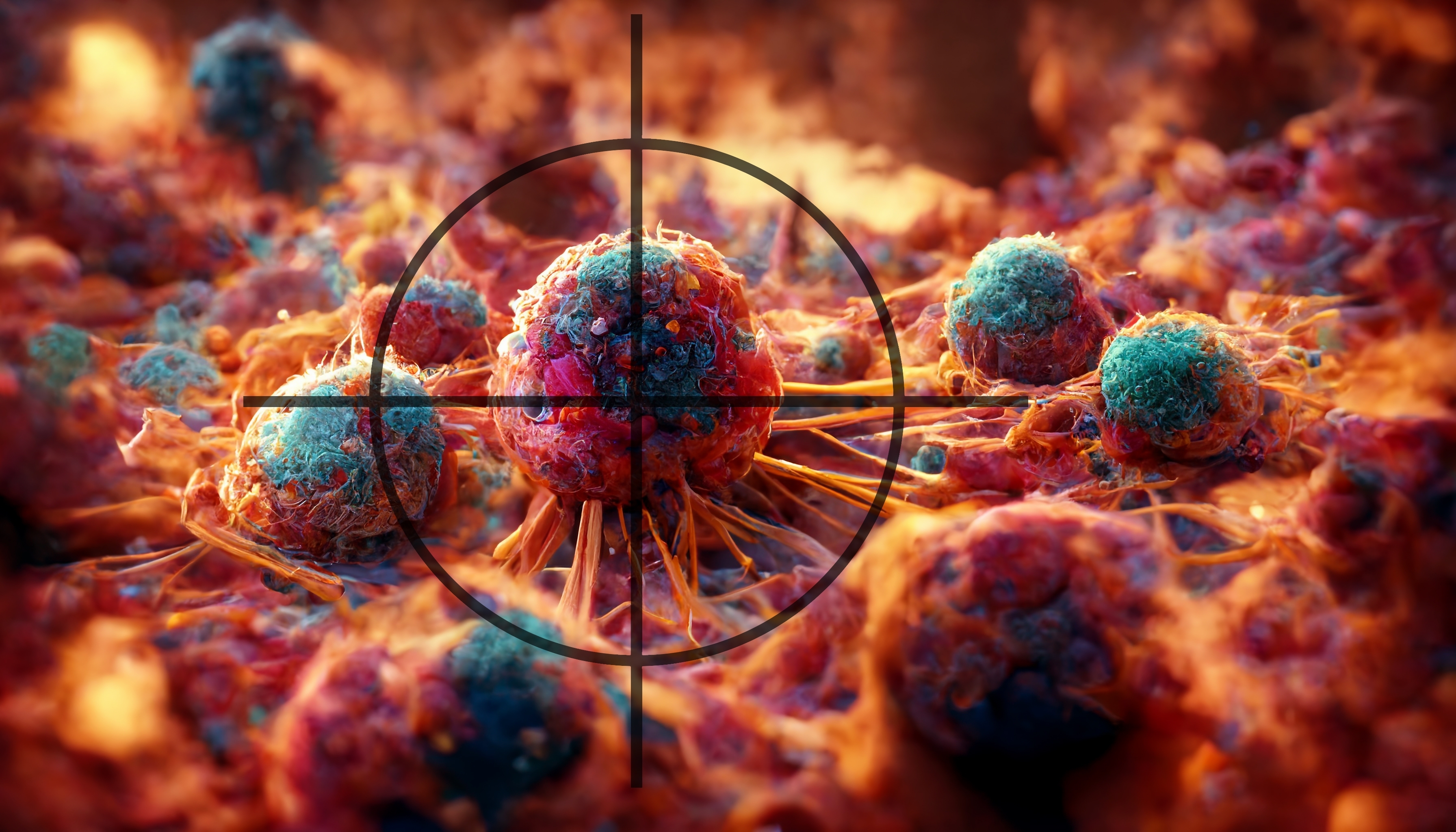
Metastasis is when cancer spreads from its original location (“primary tumor”) to other parts of the body. This is often called stage 4 cancer. It is important to understand that most deaths from cancer happen because of metastasis, not the original tumor. Dr. Joan Massagué and his team at Memorial Sloan Kettering recently presented their research on metastasis highlighting four emerging insights.
1. Metastatic Cancer Cells Are Like Stem Cells (“Time Travelers”)
- Stem cell-like behavior: Metastatic cancer cells act a lot like stem cells. They can keep dividing and become many different cell types, helping them survive in new places in the body.
- Plasticity: These cells aren’t locked into one identity—they can “travel back in time” to a more youth-like state and adapt to different environments, making them tricky to treat.
- Treatment hope: This adaptability means scientists are working on ways to target these cells by disrupting their ability to shift identities.
2. Metastatic Cells Hide and Reawaken (“Cat and Mouse with the Immune System”)
- Dormant phase: Some cancer cells break away and hide in the body, sometimes for years. Most are killed by our immune system or don’t find a friendly place to grow.
- STING pathway: Research shows that the STING signaling pathway is important for waking up these hidden cells. When awaken, their STING activity rises, making them more visible to immune defenders.
- New treatment approaches: Scientists are exploring if drugs that boost STING activity (STING agonists) could help the immune system catch and kill these cells before they grow into advanced metastases.
3. Different Cancers Use Different Strategies to Spread to the Same Organ
- Even cancers that end up in the same organ (such as the brain) don’t always spread in the same way. For example, some breast cancers may spread out along blood vessels, while others form tight clumps.
- By understanding these patterns, doctors may be able to target therapies to each cancer subtype’s unique weaknesses.
4. Metastatic Cells Change Shape to Survive
- Shape-shifting powers: Metastatic cells can change their shape in response to the body’s environment, often becoming more round and soft, which helps them avoid being “popped” by immune cells.
- Role of gelsolin: A protein called gelsolin helps this shape-shifting. Targeting gelsolin may make cancer cells easier for the immune system to attack.
Good News for Patients
Metastasis used to be a death sentence. But thanks to discoveries like these, doctors can sometimes cure or control advanced cancer using new treatments—especially immunotherapy. For many patients, metastatic cancer is becoming a more manageable, chronic condition.
Key Takeaways:
- Cancer spread (metastasis) is the main challenge in treating cancer.
- New research is helping scientists find new ways to prevent, control, or even cure metastatic cancer.
- If you or a loved one is facing metastatic cancer, talk to your doctor about the latest treatments, clinical trials, and supportive care options.
References:
Massagué J, et al.Session SY44. Metastasis initiating cells and ecosystems. Presented at the AACR Annual Meeting in Chicago, Illinois.
Laughney AM, Hu J, Campbell NR, et al. Regenerative lineages and immune-mediated pruning in lung cancer metastasis. Nat Med. 2020 Feb;26(2):259-269.
Hu J, Sánchez-Rivera FJ, Wang Z, et al. STING inhibits the reactivation of dormant metastasis in lung adenocarcinoma. Nature. 2023 Apr;616(7958):806-813.
Gan S, Macalinao DG, Shahoei SH, et al. Distinct tumor architectures and microenvironments for the initiation of breast cancer metastasis in the brain. Cancer Cell. 2024 Oct 14;42(10):1693-1712.e24.
Wang Z, Elbanna Y, Godet I, et al. TGF-β induces an atypical EMT to evade immune mechanosurveillance in lung adenocarcinoma dormant metastasis. bioRxiv [Preprint]. 2024 Oct 15:2024.10.15.618357.


