
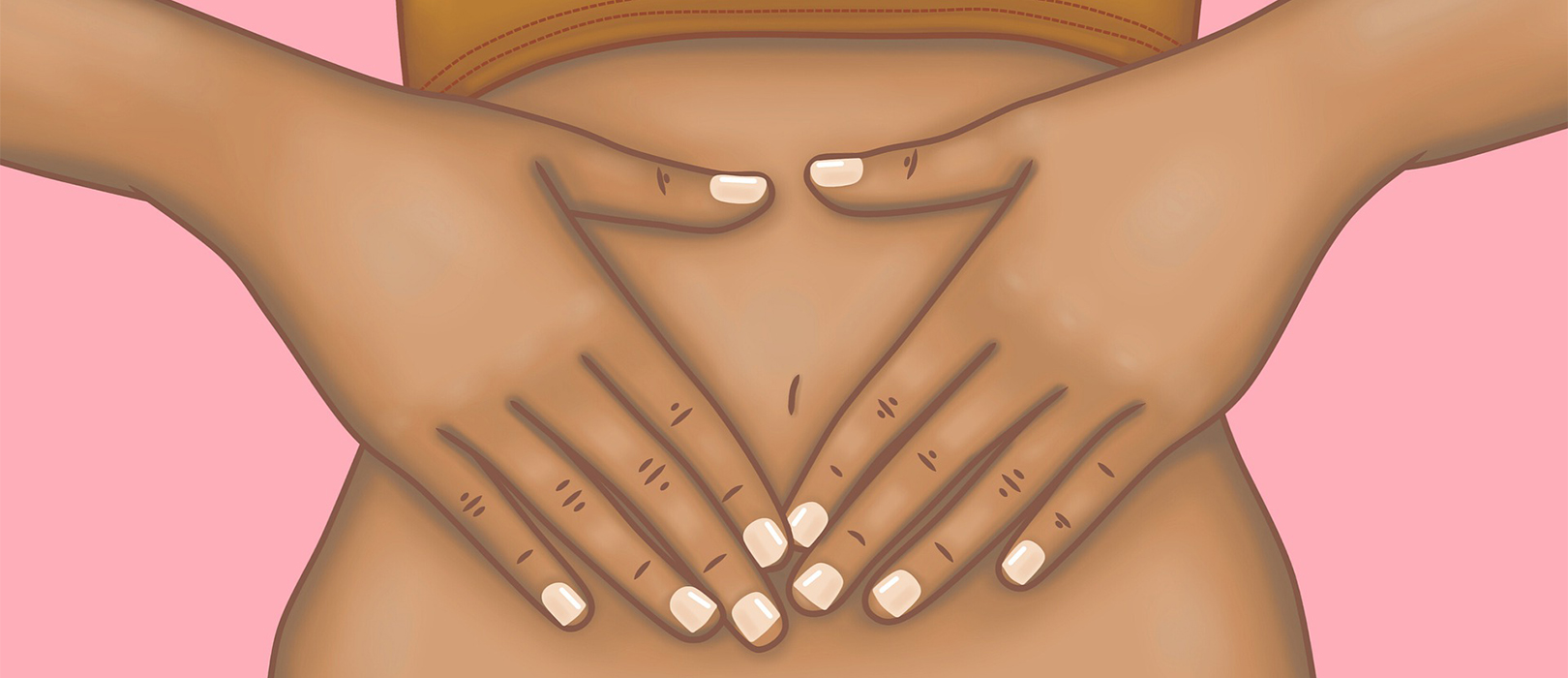
Blessed are you if you have sound gut health and can digest anything under the sun. However, digestive problems are a common occurrence in individuals worldwide.
FYI – around 20 million Americans experience chronic digestive disorders. Women are more prone to digestive issues than their male counterparts.
So, how about menopause and the transition phase? Will menopause affect your gut health and aggravate your digestive issues, making matters worse?
To have your questions answered, we would love to take you through an exclusive interview with Mrs. Sabrina Johnson about digestive wellness in menopause. Mrs. Johnson is a medical writer with sound knowledge of obstetrics and gynecology. She has a perfect understanding of the hassles women go through in menopause. She easily reaches out to women with her comfortable and approachable writing style.
Here is an excerpt from an interview with Mrs. Johnson about menopausal gut health. Read on!
Q. How does menopause affect digestion and your gut health?
A. Our digestive tract has several inhabitants – bacteria, fungi, viruses, and other microbes. Like other bodily changes, menopause brings in alterations in your gut as well. You can blame it on the fluctuating and reduced estrogen levels. The microbes in the gut work toward metabolizing the reproductive hormones (estrogen and progesterone).
So, when there’s a reduction in their levels, the diversity and effectiveness of the microbes lessen. When your gut doesn’t function well, the food may take longer than usual to travel down the digestive tract.
Prolonged digestion means increased reabsorption of water into the bloodstream. The result of the same is gastrointestinal disorders like gassiness, bloating, and constipation.
Q. How common are digestive issues in menopause?
A. Because of the fluctuating hormonal levels, digestive issues are a pretty common occurrence in menopause. If we must bring out the numbers, let’s look at the data from specific studies.
A study in 2008 with 498 female participants aged 25-60 years found that the symptoms of GERD increasingly prevailed among women in the perimenopausal and postmenopausal phases. The overall findings concluded that women in menopause were increasingly susceptible to GERD by 2.9 times.
IBS (Irritable bowel syndrome) occurs when there is a brain-gut dysfunction. Menopause doesn’t bring in IBS but can make it worse for those with this condition. Studies have shown that women already affected with IBS will experience a severity in their condition in the postmenopause phase.
So, when you don’t take good care of yourself, you could be at a greater risk of digestive disorders in menopause.
Q. How are menopause and heartburn related?
A. There is a connection between menopause and heartburn. Around 42% and 47% of women in the perimenopausal and menopausal stages go through heartburn. The low estrogen levels are the main culprit. The LES (lower esophageal sphincter) is affected when the hormone levels drop down in the body.
The primary function of the LES is to safeguard your esophagus from the gastric contents’ reflux. So, when there’s a disruption in the LES, it loses its ability to protect the esophagus from the increased acidic contents of the stomach. This triggers heartburn, acid reflux, and other digestive disorders.
Q. Are acid reflux, GERD, and heartburn the same thing?
They might sound synonymous, and many use them as substitutes for one another. But, theoretically, the three conditions differ from the other. When your stomach contents backflow to the esophagus, it is acid reflux.
When you have a burning sensation in your mid-chest after a meal, or while lying down, that is heartburn. It’s an aftereffect of acid reflux.
GERD (Gastroesophageal Reflux Disease) is acid reflux in its severe form. In this condition, the repeated backflow of stomach acids irritates your esophageal lining. In other words, repeated acid reflux manifests into GERD. Most symptoms of GERD and acid reflux coincide. Yet, let’s get to know their signs individually.
Symptoms of GERD
The symptoms of GERD are as follows:
- Chest pain (noncardiac)
- Pain in the upper abdomen
- Heartburn
- A lump-like feeling in the throat
- Swallowing problems
- Regurgitation (with the stomach contents often traveling to the throat or the mouth)
- Damaged tooth enamel (because of increased acid)
- Bad breath
Symptoms of Acid Reflux
Let’s take a look at the symptoms of acid reflux.
- Heartburn
- Regurgitation
- Increased burping
- Nausea (mainly after meal)
- Boating or feeling of fullness
- Pain and discomfort in the upper abdominal
Q. How do you maintain your gut health in menopause?
You cannot prevent the hormones from doing their job. That’s a natural and inevitable process. However, to maintain good gut health and lessen incidences of digestive issues during menopause, there are management techniques to try. Here are a few tips for those troubled with heartburn, constipation, GERD, and other digestive issues.
- If you are troubled with GERD, you should eat frequently in small amounts rather than having a big meal in a go. Also, avoid a wholesome meal before bedtime. It could take time to digest.
- Chew your food well instead of hurriedly gulping it down.
- Menopause could make your stress hormones more sensitive. Additionally, you have symptoms like night sweats and hot flashes to increase your anxiety levels. It could sound weird, but stress does affect digestion to a greater extent and could worsen your symptoms.
You should manage your stress by practicing relaxation techniques and yoga. When your mental health is sound, you will also be physically fit.
- Avoid overeating to release your stress. It would not just aggravate your digestive issues but also trigger obesity. In menopause, when you are already at risk of gaining weight, you cannot afford to add on extra kilos due to unhealthy eating.
- Include healthy foods and veggies in your diet. Identify the triggers that affect your digestive health. You could be eating healthy, but the foods could impact your digestion. So, you must get to the root cause.
Foods like whole wheat, prunes, peaches, apples, asparagus, beans, broccoli, etc., often lead to indigestion in those with a sensitive digestive system. If troubled with constipation, an increase in fiber intake will help. It will be better to consult a doctor regarding the right choice of diet in menopause, mainly if you are more prone to suffer from digestive problems.
- Cut down on processed foods and those high in salt and sugar. You should also avoid spicy foods and reduce alcohol intake to improve digestion.
- Smoking isn’t good for menopause, as it intensifies your symptoms like hot flashes, sleep issues, and night sweats. It is also unsuitable for your digestive system and could increase the chances of acid reflux. So, it is always advisable to quit smoking, especially when in menopause.
To know more about digestive issues and other problems women are likely to face in menopause, you may read my articles on my website.
Conclusion
I hope the interview will help women worried about their digestive wellness during the menopause transition and the menopause phase. The hormones are the cause of trouble. But, by maintaining your lifestyle, eating healthy, and exercising well, you can minimize digestive issues to a greater extent.
If you have gastrointestinal issues like constipation, bloating, abdominal pain, etc., recurrently, do not delay in seeking medical help. Menopause may not always be the cause. It could be an underlying medical issue.


