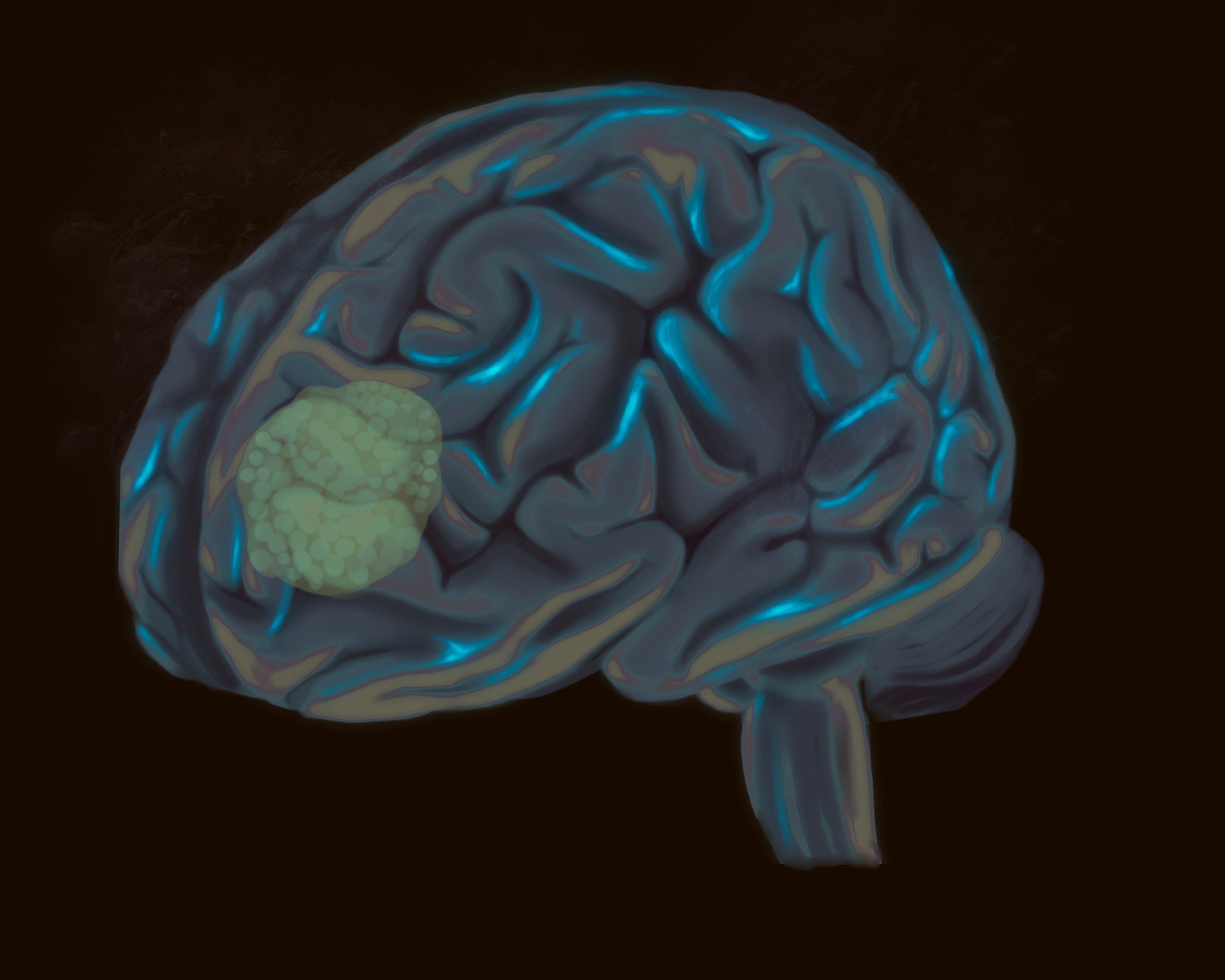
In 2024, researchers reported dramatic early results from a new type of cell therapy for glioblastoma, one of the most challenging and aggressive brain cancers. In a groundbreaking phase 1 clinical trial, patients with recurrent glioblastoma were treated with CAR-TEAM cells—a next-generation form of CAR-T therapy specially engineered to attack the diverse mix of cancer cells within these tumors.
The first three patients in the trial showed rapid and significant tumor shrinkage within days of getting just a single treatment. One patient’s MRI showed almost complete regression of the tumor within a week, while another saw their tumor shrink by over 60%—results that were sustained for more than six months in one case. All patients tolerated the treatment well, without severe side effects.
Glioblastoma has long resisted standard therapies, in part because its cancer cells are so varied. CAR-TEAM cells target two key proteins on the tumor, making them potentially more effective than previous CAR-T therapies, which could only focus on one target. The approach was developed and brought to patients through a major team effort led by Drs. Marcela Maus and Bryan Choi at Mass General, who combined laboratory research with rapid clinical translation.
While the responses were striking, the tumor later progressed in each patient, likely because the CAR-TEAM cells did not persist long-term. Researchers are now planning ways to make the response last longer, possibly with multiple infusions or additional therapies.
Though early, these results bring new hope to the glioblastoma community and show that personalized, innovative cell therapies are on the horizon for patients who urgently need new options.
About CAR-TEAM
CAR-T therapies have revolutionized treatment for blood cancers, but their effectiveness against solid tumors has been limited. One major obstacle is that solid tumors, like glioblastoma, are made up of a diverse mix of cancer cells, some of which can escape detection by the immune system—even after CAR-T therapy. To address this challenge, researchers are evaluating a novel approach that merges two previously separate strategies: CAR-T cells and bispecific antibodies called T-cell engaging antibody molecules (TEAMs). This innovative CAR-TEAM therapy for glioblastoma is specially designed to be delivered directly into the patient’s brain, targeting a broader range of cancer cells within the tumor.
Reference:
Choi BD, Gerstner ER, Frigault MJ, et al. Intraventricular CARv3-TEAM-E T Cells in Recurrent Glioblastoma. N Engl J Med. 2024 Apr 11;390(14):1290-1298. doi: 10.1056/NEJMoa2314390.


