
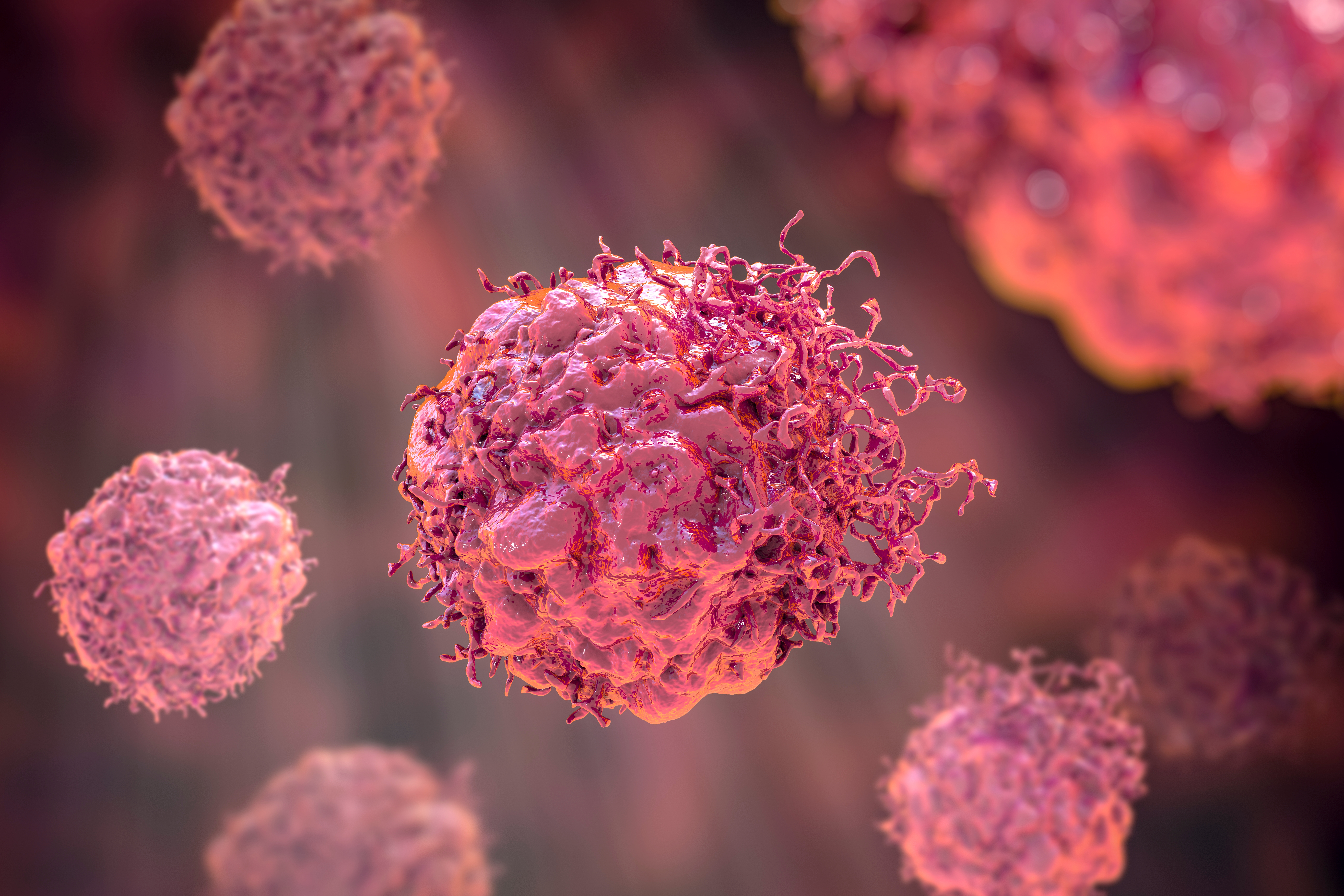
The U.S. Food and Drug Administration (FDA) has approved Welireg (belzutifan)-the first oral medication-for adults and children aged 12+ with advanced or metastatic pheochromocytoma or paraganglioma (PPGL), rare neuroendocrine tumors that form in or near the adrenal glands. This approval offers a much-needed treatment option for patients whose tumors cannot be surgically removed or have spread. PPGL affects up to 2,000 people annually in the U.S., with limited treatment options until now.
Welireg is an oral hypoxia-inducible factor-2 alpha (HIF-2α) inhibitor, a type of targeted therapy that blocks proteins tumors need to grow.
What the Clinical Trial Showed
The approval is based on results from the LITESPARK-015 trial, which included 72 patients with advanced PPGL:
- 26% of patients saw their tumors shrink (objective response rate), with responses lasting a median of 20.4 months.
- 32% of patients on blood pressure medications were able to reduce their dosage by at least half for six months or longer.
Side Effects
The most common side effects (occurring in ≥25% of patients) include:
- Fatigue
- Anemia (low red blood cells)
- Musculoskeletal pain
- Shortness of breath
- Elevated liver enzymes
- Nausea
Most side effects were manageable, and only 3% of patients discontinued treatment due to adverse reactions in earlier trials.
If you or a loved one has advanced PPGL, ask your care team whether belzutifan could be part of your treatment plan.
More Reading
Join the Conversation on CancerConnect!
Reference:
Belzutifan/MK-6482 for the Treatment of Advanced Pheochromocytoma/Paraganglioma (PPGL), Pancreatic Neuroendocrine Tumor (pNET), Von Hippel-Lindau (VHL) Disease-Associated Tumors, Advanced Gastrointestinal Stromal Tumor (wt GIST), or Solid Tumors With HIF-2α Related Genetic Alterations (MK-6482-015). ClinicalTrials.Gov.


