
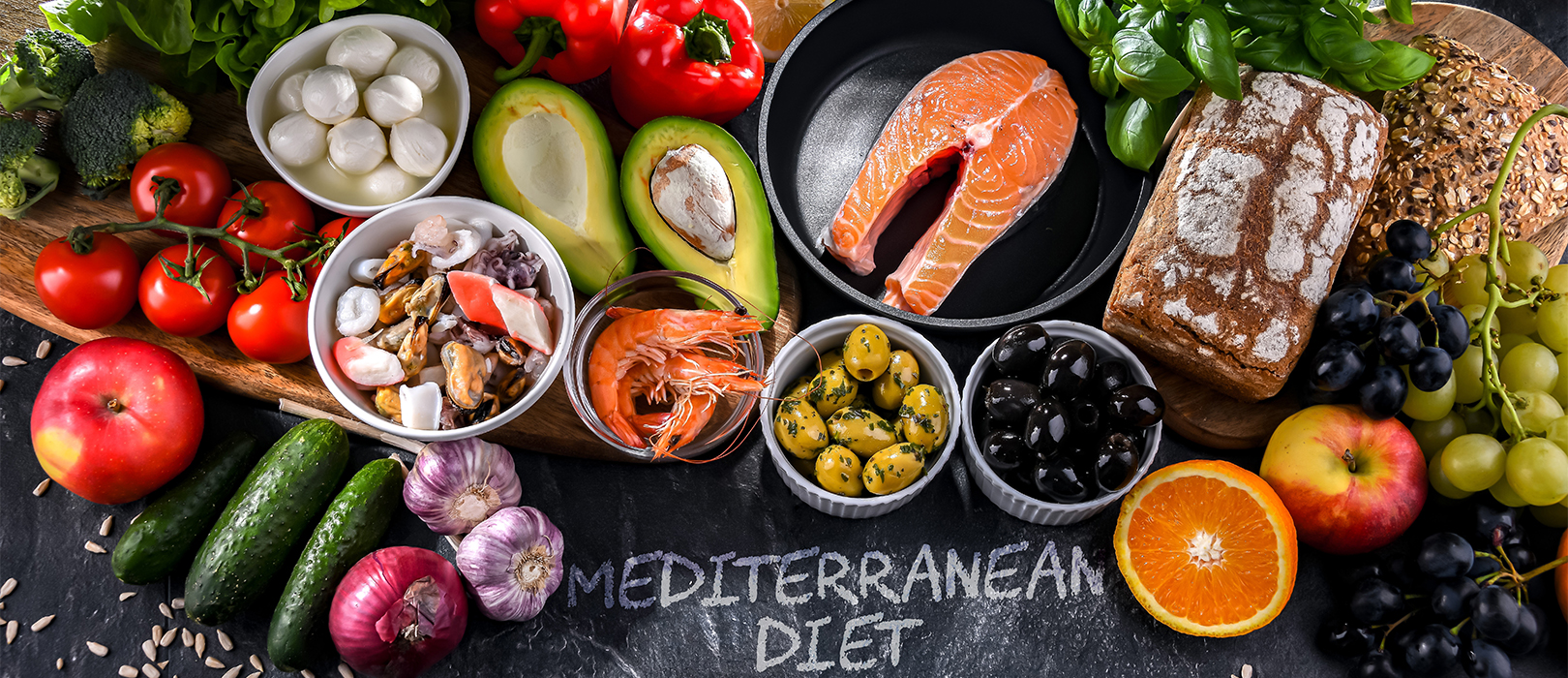
The Mediterranean diet has consistently been linked to better health, including a lower risk of cancer, heart disease, and overall mortality.
What Is the Mediterranean Diet?
This traditional way of eating emphasizes:
- Plenty of vegetables and fruits
- Whole grains and legumes (beans, lentils)
- Healthy fats from olive oil and nuts
- Fish and seafood as main protein sources
- Limited red meat and dairy
- Modest consumption of wine with meals
Research suggests that following this diet can help reduce the risk of developing cancer and may slow cancer progression in those already diagnosed.
MPNs and Why Diet May Matter
Myeloproliferative neoplasms (MPNs) are a group of blood cancers that start in the bone marrow, causing abnormal production of blood cells. The three main types are:
- Polycythemia vera (PV) – too many red blood cells
- Essential thrombocythemia (ET) – too many platelets
- Primary myelofibrosis (PMF) – scarring of the bone marrow
In some cases, myelofibrosis can develop from PV or ET.
Chronic inflammation is believed to play a key role in these conditions and in the symptoms many patients experience, such as fatigue, night sweats, and itching. Since the Mediterranean diet has been shown to reduce inflammatory proteins in people with heart disease, researchers believe it may have similar benefits in MPNs.
The NUTRIENT Clinical Trial
Researchers recently shared results from the NUTRIENT study—a randomized trial testing whether education-focused dietary changes could help people living with MPNs.
Participants were assigned to either:
- Mediterranean diet group
- USDA healthy eating guidelines group
Both groups received:
- One-on-one counseling with a registered dietitian
- Written materials on healthy eating
- Equal time and support for following their assigned eating plan
Key Findings
- Better adherence: More participants in the Mediterranean diet group stuck with their eating plan during the entire 15-week study period.
- Symptom relief: Patients following the Mediterranean diet reported greater improvement in MPN symptoms compared to those on the USDA diet.
- Intervention matters: Both the length of time on the diet and the consistency of following it appeared important for reducing symptoms.
What This Means for Patients
Study authors conclude that diet interventions could become an important part of MPN care. They may also be useful for other chronic blood cancers where inflammation plays a role.
If you have an MPN, talk with your healthcare team about whether the Mediterranean diet might be a good fit for you. Small, sustainable changes—such as swapping butter for olive oil, adding more vegetables and whole grains, and eating fish instead of red meat—can be a gentle way to start.

https://www.medrxiv.org/content/10.1101/2023.05.09.23289740v1


