
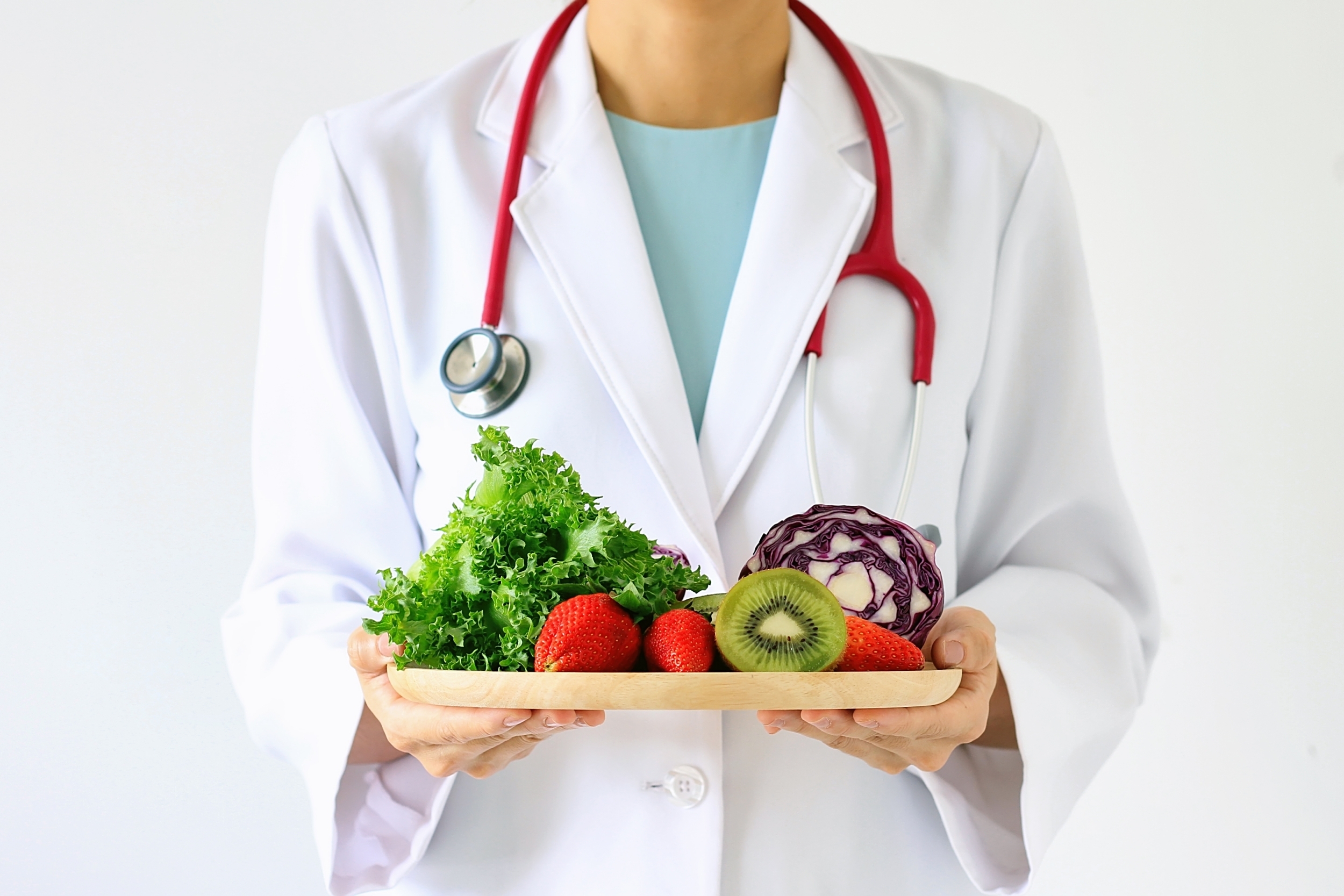
Research continues to examine the connection between what we eat and breast cancer risk, but only a few strong links have been found. One clear takeaway: Alcohol intake consistently raises breast cancer risk.
What You Eat Matters
- Low-fat diets may lower breast cancer risk, especially for postmenopausal women. The Women’s Health Initiative—a major study following nearly 49,000 postmenopausal women for 20 years—found that those who ate a low-fat diet and increased fruits, vegetables, and whole grains saw fewer deaths from breast cancer and less chance of dying after diagnosis.
- Weight loss helps, too. Women who lost even modest amounts of weight (around 5 pounds) had a lower risk, and greater weight loss brought a more dramatic reduction in risk.
- Red meat, especially when cooked well-done, may increase risk for certain types of breast cancer in premenopausal women. Compounds called HCAs in charred meat are a concern.
- Trans fats (often found in processed foods) may also increase breast cancer risk. Read food labels and try to avoid foods with shortening, partially hydrogenated oils, or lots of processed ingredients.
- Healthy fats, such as those from olive oil, nuts, seeds, and fish, do not increase breast cancer risk, and some may be beneficial (like the omega-3s in fatty fish).
Building a Healthier Plate
Aim to follow dietary habits shown to lower breast cancer risk and support recovery:
- Focus on plant-based foods—eat at least five servings of fruits and vegetables per day.
- Choose whole grains such as brown rice, oats, or whole wheat bread.
- Include beans, lentils, and other legumes.
- Limit red and processed meats.
- Use healthy fats, such as olive oil and nuts, in moderation.
- If you eat dairy, opt for low-fat or nonfat options.
- Minimize added sugars and processed “junk” foods.
- Avoid alcohol, especially if you have additional breast cancer risk factors.
The DASH and Mediterranean Diets
Both the DASH and Mediterranean diets emphasize these healthy eating patterns:
- Plenty of fruits and vegetables.
- Whole grains.
- Low-fat dairy.
- Moderate lean protein (especially fish, poultry, and legumes).
- Limited unhealthy fats and sweets.
Following these diets is linked to better heart health, lower rates of diabetes, and—according to recent research—a moderate reduction in breast cancer risk for women who stick to them long term.
What About “Anti-Cancer” Diets?
No single “anti-cancer” diet has been clinically proven to prevent breast cancer. Still, nutrition experts agree that a balanced, mostly plant-based diet helps lower inflammation and supports overall health, which is important during and after cancer treatment.
Takeaway
Making simple, moderate changes—cutting down on unhealthy fats, eating more fruits, vegetables, and whole grains, and losing even a little weight—can offer long-term health benefits and may help lower your breast cancer risk. Talk to your healthcare provider or a registered dietitian about the best diet for you, especially if you’re recovering from breast cancer or want to reduce your risk.
References:
- Chlebowski RT, et al “Dietary modification and breast cancer mortality: long-term follow-up of the Women’s Health Initiative randomized trial” J Clin Oncol 2020; DOI: 10.1200/JCO.19.00435.
- Chajes, V., Thiebaut, A., Rotival, M., et al. Association between serum trans monounsaturated fatty acids and breast cancer risk in the E3N-EPIC study. American Journal of Epidemiology [early online publication]. April 4, 2008
- Association of Low-Fat Dietary Pattern With Breast Cancer Overall Survival
- JAMA. 2006;295:629-642.
- Chlebowski R, Blackburn G, Elashoff R, et al. Oral presentation from the 2006 annual San Antonio Breast Cancer Symposium. Mature analysis from the women’s intervention nutrition study (WINS) evaluating dietary fat reduction and breast cancer outcome. December 16, 2006. Abstract #32
- Suzuki R, Ye W, Rylander-Rudqvist T et al. Alcohol and Postmenopausal Breast Cancer Risk Defined by Estrogen and Progesterone Receptor Status: A Prospective Cohort Study. Journal of the National Cancer Institute. 2005;97:1601-
- Jung S, Spiegelman, Baglietto L et al. Fruit and vegetable intake and risk of breast cancer by hormone receptor status. Journal of the National Cancer Institute. Early online publication January 24, 2013.
- Journal of National Cancer Institute, Vol 92, No 16, pp 1352-1354, 2000.
- Cho E, Chen WY, Hunter DJ, et al. Red meat intake and risk of breast cancer among premenopausal women. Obstetrical and Gynecological Survey. 62:180-181.


